

Why Use Handmade Soap – Health, Ethics, Impact
Finding gentle skincare that respects both your skin and the planet can feel like a real challenge. For eco-conscious individuals in the UK, mass produced soaps often disappoint, filled with synthetic additives and harsh chemicals that can trigger irritation or discomfort. What sets handmade soap apart is its commitment to using only natural oils and plant elements, resulting in a nourishing, truly kind option even for the most sensitive skin. This guide uncovers what makes handmade soap unique and why it stands out as a thoughtful, sustainable choice.
Table of Contents
- What Makes Handmade Soap Unique
- Comparing Handmade And Commercial Soaps
- Benefits For Sensitive And Problem Skin
- Sustainability And Ethical Ingredient Sourcing
- Costs, Misconceptions, And Alternatives
Key Takeaways
| Point | Details |
|---|---|
| Unique Ingredients | Handmade soaps utilise natural oils and plant elements, which are better recognised by the skin compared to synthetic additives in commercial soaps. |
| Customisation | Artisanal soapmakers can tailor products to specific skin needs, offering personalised solutions that mass-produced soaps cannot provide. |
| Ethical Practices | Purchasing handmade soap often supports ethical sourcing and sustainable practices, benefiting both communities and the environment. |
| Cost-Value Proposition | Although handmade soap might have a higher upfront cost, its longevity and superior skin benefits make it a more economical choice over time. |
What Makes Handmade Soap Unique
The issue with most commercial soaps you’ll find on supermarket shelves is clear: they’re engineered for profit margins, not for your skin. Mass produced varieties often contain synthetic detergents, preservatives, and fragrances designed to last longer on the shelf than on your body. Handmade soaps operate on an entirely different principle.
What sets handmade soap apart begins with the ingredients themselves. Rather than relying on harsh chemicals and synthetic additives, artisanal soaps use natural oils and plant elements that your skin actually recognises and responds well to. When you hold a bar of handmade soap, you’re holding something crafted from ingredients like shea butter, coconut oil, olive oil, and essential oils. Not a list of unpronounceable chemical compounds. These natural components are rich in vitamins and antioxidants that nourish your skin rather than strip it. The difference becomes obvious the moment you use it. Your skin feels softer, less irritated, and genuinely cared for.
The production process itself is what creates this fundamental difference. Commercial soap manufacturers use high temperature processing that destroys many of the beneficial properties of natural oils. Handmade soapmakers, by contrast, use methods that preserve these nutrients. The cold process and hot process techniques employed by artisanal makers allow the natural glycerine to remain in the soap, whereas industrial producers often remove it to sell separately. This glycerine is what keeps your skin hydrated and supple. Beyond the chemistry, there’s something about knowing your soap was made by hand, in small batches, with intention. Handmade soaps are prepared manually and considered more favourable than synthetic commercial soaps, particularly for those with sensitive skin conditions where every ingredient matters.
The customisation aspect cannot be overlooked either. If you have dry skin, eczema, or particular sensitivities, a handmade soapmaker can tailor a bar specifically for your needs. Unlike mass produced options stuck in a one size fits all approach, artisanal makers adjust oil ratios, add soothing ingredients like oatmeal or tea tree, and create formulations that address individual skin concerns. This level of personalisation is impossible in industrial manufacturing. For those concerned about environmental impact, handmade soaps typically use sustainable sourcing practices, avoid unnecessary packaging, and support small creators rather than corporate conglomerates. Many handmade soap producers are also transparent about their ingredients and production methods, allowing you to make informed choices about what touches your skin.
Pro tip: When selecting handmade soap, look for makers who list their full ingredient list and saponification dates, as this transparency indicates genuine craftsmanship and helps you understand exactly what you’re using on your skin.
Comparing Handmade And Commercial Soaps
When you stand in the bathroom comparing two bars of soap, the differences might seem subtle at first. Yet the gap between handmade and commercial varieties runs far deeper than appearance or price. Understanding these differences helps you make choices that genuinely serve your skin rather than just clean it.
The most obvious distinction lies in how they’re made and what goes into them. Handmade soaps are crafted in small batches using natural oils and butters like coconut, olive, and shea, with no harsh synthetic chemicals. Commercial soaps, by contrast, are mass produced with synthetic detergents, preservatives, and artificial fragrances designed purely for shelf stability and cost efficiency. This manufacturing approach creates a fundamental problem: commercial soaps prioritise profit margins over skin health. The synthetic surfactants used in industrial soap can strip your skin’s natural oils, leaving it tight, dry, and irritated. With handmade soap, you’re getting ingredients that your skin recognises and can absorb properly.
The chemistry behind these products reveals even more. Handmade soaps made with natural oils retain beneficial fatty matter that commercial varieties often remove to reduce costs. Commercial manufacturers strip out the natural glycerine produced during the saponification process and sell it separately, leaving behind a product that dries your skin out. Handmade soapmakers keep that glycerine in the final bar, which acts as a humectant drawing moisture into your skin. When you use handmade soap regularly, your skin barrier strengthens rather than weakens. Research comparing physicochemical properties of handmade versus commercial soaps shows that properly made artisanal soap achieves comparable safety standards and pH compatibility with commercial products, yet offers superior skin tolerance. The difference becomes apparent within days of switching: less itching, less redness, genuinely softer skin.
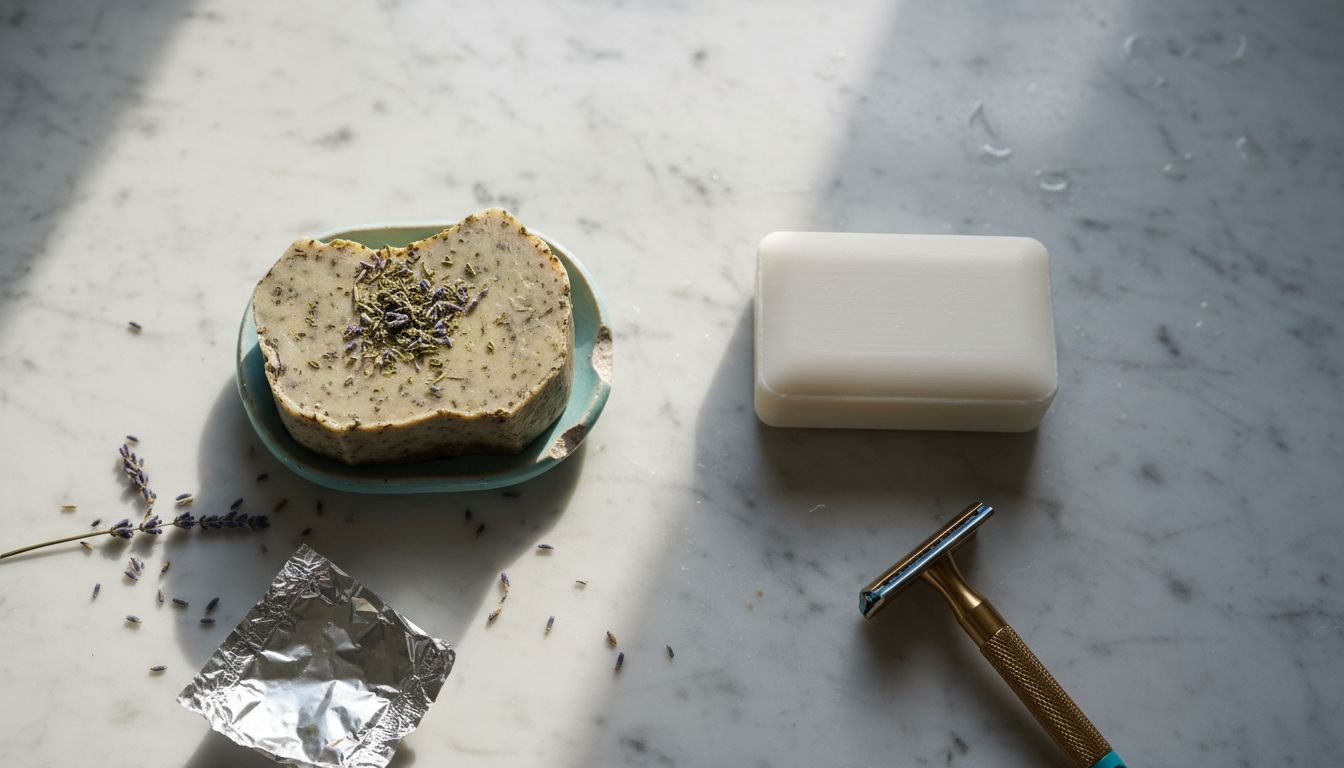
Beyond the physical differences, there’s the ethical dimension. Handmade soap makers often source ingredients responsibly, avoid unnecessary plastic packaging, and create employment within their local communities. Commercial soap manufacturers operate within systems designed to maximise volume and minimise accountability. For people with sensitive skin, eczema, or other conditions, this distinction matters enormously. A handmade soapmaker can adjust formulations specifically for your needs, adding soothing ingredients like oatmeal, honey, or essential oils tailored to your skin type. Commercial soap offers no such flexibility. You get what’s in the package, regardless of whether it suits your particular skin. The transparency differs too. Most handmade makers list every single ingredient and explain their purpose. Commercial products often hide behind vague terms like “fragrance” or “botanical extracts” without revealing what’s actually inside.
Pro tip: When switching from commercial to handmade soap, use it for at least two weeks before deciding whether it works for you, as your skin may initially feel different as it rebalances after years of stripping with synthetic detergents.
To help clarify the distinctions, here is a concise comparison of handmade and commercial soaps:
| Aspect | Handmade Soap | Commercial Soap |
|---|---|---|
| Main Ingredients | Natural oils, butters, essential oils | Synthetic detergents, fragrances |
| Glycerine Content | Retained for skin hydration | Removed for resale |
| Packaging | Minimal, biodegradable, plastic-free | Plastic-heavy, landfill-prone |
| Customisation | Personalised for skin needs | Standardised, no personalisation |
| Environmental Impact | Sustainable sourcing and processes | Often high resource use, less focus |
| Price per Bar | £4–£8 (premium, ethical) | £1–£2 (mass market) |
Benefits For Sensitive And Problem Skin
If your skin reacts to almost everything, you’re not alone. Sensitive skin conditions affect millions of people, and the frustration of finding something that actually works without triggering itching, redness, or burning is very real. This is where handmade soap becomes genuinely transformative. Unlike commercial products formulated for the general population, handmade soaps can be crafted with your specific sensitivities in mind, using only the ingredients your skin can tolerate.
The core advantage lies in simplicity. When you have sensitive skin, every ingredient matters. Commercial soaps contain synthetic preservatives like parabens, artificial fragrances, and chemical surfactants that trigger reactions in susceptible individuals. These aren’t added because they’re better for skin; they’re there because they’re cheap and extend shelf life. Handmade soapmakers eliminate this entirely. They use pure essential oils instead of synthetic fragrance, skip the unnecessary preservatives, and select gentle base oils that support rather than irritate. For people with conditions like eczema, dermatitis, or rosacea, this difference is life changing. A handmade soap tailored for eczema prone skin typically incorporates soothing ingredients like oatmeal, honey, or shea butter that reduce inflammation and calm reactive skin. The benefits of organic tea tree soap demonstrate how targeted natural ingredients can address specific skin challenges without the harsh side effects of conventional treatments.
What makes handmade soap particularly effective for problem skin is the ability to customise formulations based on your exact needs. Acne prone skin benefits from different ingredients than dry, sensitive skin. Someone with fungal concerns requires entirely different support than someone dealing with eczema flare ups. A skilled handmade soapmaker listens to your concerns and creates a bar addressing your particular issue. They might use tea tree oil and activated charcoal for acne, oatmeal and calendula for irritation, or coconut oil and lavender for calming inflamed skin. This personalisation is impossible with mass produced soap. You cannot buy a one size fits all product and expect it to work for your specific condition. Beyond the direct benefits to skin, handmade soap also avoids the cycle of dependency that commercial products create. Many people become trapped using stronger and stronger commercial treatments, which ironically damage their skin barrier further. Handmade soap actually strengthens your skin’s natural protective layer through natural emollients and the retained glycerine, allowing your skin to genuinely heal rather than become increasingly sensitised.
The sensory experience matters too. Handmade soap feels different on sensitive skin. It’s gentler, creamier, and creates a protective lather rather than harsh foam. Many people report that their skin feels calmer immediately after switching, with reduced itching and irritation within the first week. Over time, as your skin barrier repairs itself, you notice increased resilience. Flare ups become less frequent and less severe. Your skin stops feeling perpetually angry and starts feeling supported. For those who’ve spent years trying every commercial option without success, handmade soap often represents the first genuine relief they’ve experienced.
Pro tip: When you first use handmade soap on sensitive skin, perform a patch test on a small area for a few days to ensure compatibility, and introduce one new handmade soap at a time rather than switching everything simultaneously, allowing your skin to adjust gradually.
Sustainability And Ethical Ingredient Sourcing
When you buy handmade soap, you’re making a choice about more than just what touches your skin. You’re deciding whether your purchase supports systems that value people and the planet, or whether it feeds an industry designed purely for extraction and profit. The difference matters profoundly, and handmade soapmakers operating with genuine ethical principles prove that profit and responsibility can coexist.
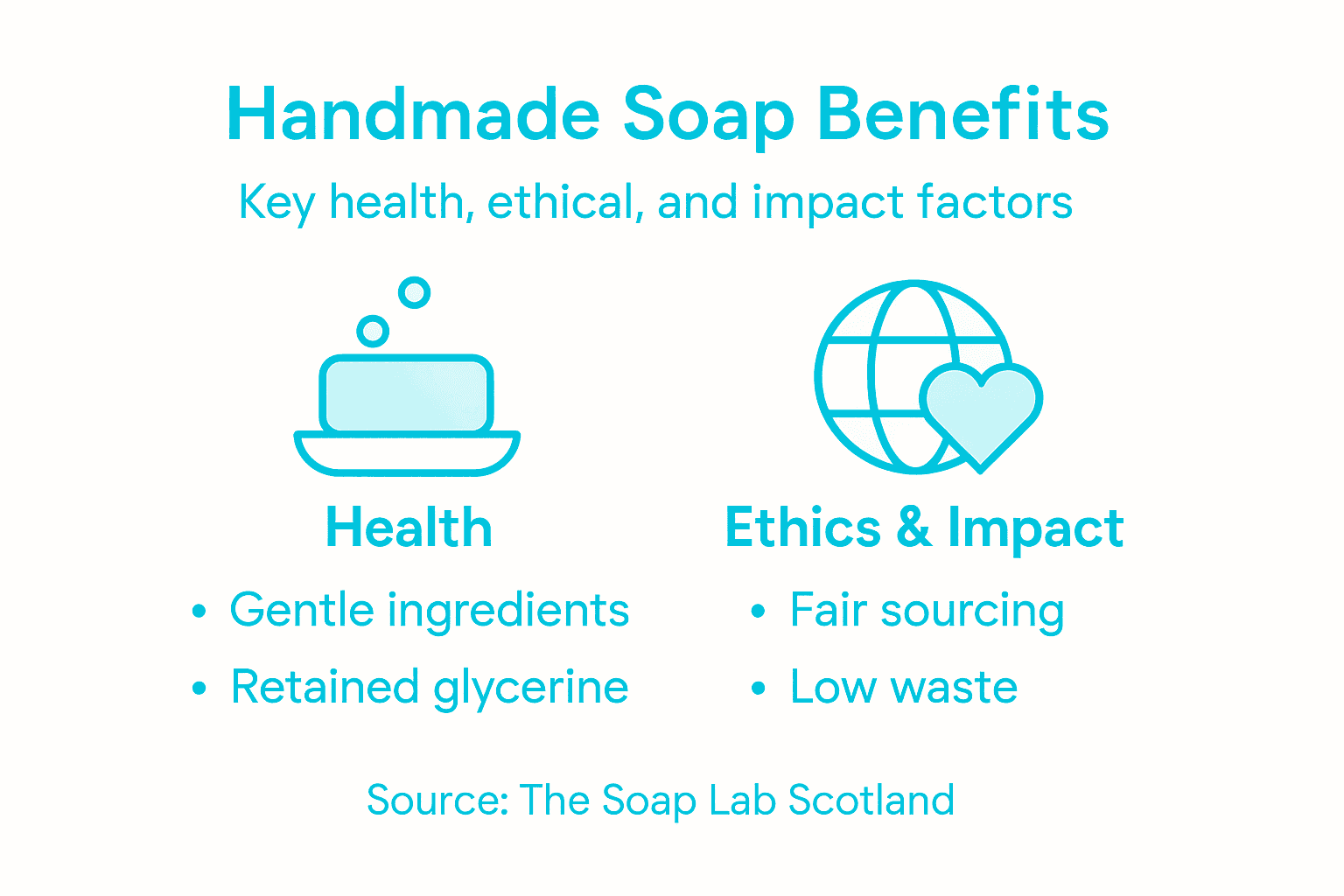
The foundation of ethical handmade soap is transparency in sourcing. A reputable soapmaker knows exactly where their ingredients come from, can name their suppliers, and understands the conditions under which those ingredients were produced. This contrasts sharply with commercial soap manufacturers, where supply chains stretch across continents through layers of middlemen, making accountability nearly impossible. When you choose handmade soap, you’re often supporting local producers who source ingredients from ethical suppliers they’ve vetted personally. Shea butter from West African women’s cooperatives rather than industrial plantations. Coconut oil from Fair Trade certified producers. Essential oils distilled by family farms using traditional methods. The impact cascades outward: fair wages for farmers, preservation of traditional knowledge, and communities that benefit directly from ingredient production. Ethical sourcing practices impact product safety, sustainability, and quality, emphasising the importance of transparency and accountability throughout ingredient procurement.
Sustainability in handmade soap production goes beyond simply avoiding harmful chemicals. Innovative soapmakers are finding ways to create quality products whilst minimising waste entirely. Rather than sourcing virgin oils, some makers use recycled cooking oil combined with organic waste materials like orange peel and spent coffee grounds to create soaps with genuine antioxidant benefits. This circular approach transforms what would otherwise become landfill into valuable skincare products. The resulting soaps are fully biodegradable, meaning they won’t accumulate in waterways or persist in ecosystems. Commercial soap manufacturers largely ignore these possibilities because waste streams don’t affect their bottom line. A handmade soapmaker, by contrast, sees waste reduction as both an ethical imperative and an opportunity for innovation. Packaging tells the story too. Most handmade soaps arrive wrapped simply in paper or kraft cardboard, or sometimes with no packaging at all. No plastic clamshells. No unnecessary boxes. This minimalist approach reflects genuine commitment to reducing environmental footprint rather than performing sustainability for marketing purposes.
The human element distinguishes ethical handmade soap from everything else. When you purchase from a soapmaker who sources ethically, you know your money directly supports their livelihood and the livelihoods of the people they source from. There are no corporate shareholders extracting value. No executive bonuses funded by squeezing suppliers. The economic relationship is direct and fair. Small soapmakers typically earn modest incomes, which means your purchase genuinely matters to their ability to continue working. Similarly, the farmers and producers supplying their ingredients experience proportionally greater benefit from Fair Trade pricing than they would from selling to industrial manufacturers. Beyond economics, there’s the matter of care. Ethical soapmakers spend time understanding their ingredients, building relationships with suppliers, and ensuring their practices align with their values. This investment in quality and integrity infuses every bar. You’re not simply buying a product; you’re supporting a business model based on respect for people, animals, and ecosystems.
Pro tip: When selecting handmade soap, ask the maker directly about their ingredient sourcing and look for transparency statements about Fair Trade certification or direct relationships with suppliers, as genuine ethical commitment is always backed by clear, verifiable information.
Costs, Misconceptions, And Alternatives
Let’s address the elephant in the room. Yes, handmade soap costs more than supermarket bars. A single bar of artisanal soap might cost between £4 and £8, whilst a commercial bar sits at £1 or £2. At first glance, this seems like a significant premium. But this comparison misses the entire point of how value actually works. You’re not paying extra for the same thing. You’re paying for something fundamentally different, and when you understand what that difference represents, the cost becomes entirely reasonable.
The price difference reflects reality. Handmade soapmakers use premium ingredients that cost substantially more than the synthetic alternatives. Organic shea butter, cold pressed coconut oil, and pure essential oils aren’t cheap. They also labour intensively, crafting soaps in small batches rather than pouring millions of bars through industrial machinery. There’s no economy of scale. Every batch requires attention, testing, and care. Handmade soaps command a premium price due to natural and organic ingredients alongside artisanal production methods, reflecting genuine value rather than corporate markup. When you factor in this reality, the cost becomes transparent and justified. You’re paying for quality ingredients, skilled labour, and ethical practices. These things have actual costs. The real misconception isn’t that handmade soap is expensive. It’s that commercial soap is cheap. It’s only cheap because corners are cut somewhere: cheaper ingredients, synthetic alternatives, workers paid minimal wages, and environmental costs pushed onto communities rather than reflected in the price tag. Handmade soap makes you pay the true cost upfront.
Beyond the mathematics of cost lies a practical reality that most people discover after switching. A bar of handmade soap lasts considerably longer than a commercial bar. Because handmade soap retains its glycerine content and uses denser formulations, it doesn’t dissolve quickly in the shower. A single bar often outlasts two or three commercial bars. This means the per use cost becomes competitive or even cheaper than supermarket alternatives. Someone using a £6 bar of handmade soap that lasts four weeks is spending roughly the same amount as someone buying £2 bars weekly. The difference is that the handmade soap user experiences dramatically better skin outcomes, supports ethical practices, and contributes to environmental sustainability. Once you account for longevity, the financial argument in favour of handmade soap becomes compelling. For those with genuine budget constraints, alternatives exist. Some soapmakers offer smaller sample sizes or travel bars at lower price points. Soap makers often run promotions or offer multipacks at discounts. Buying directly from makers rather than through retailers eliminates middlemen markups. Some producers create gift sets combining several bars. Purchasing during seasonal sales or requesting wholesale pricing for larger quantities can reduce per unit costs significantly. You don’t need to abandon quality or ethics due to budget limitations. You simply need to shop strategically.
Below is a practical overview of factors impacting the actual cost and value of handmade versus commercial soap:
| Factor | Handmade Soap | Commercial Soap |
|---|---|---|
| Shelf Life | Shorter, fresher batches | Long shelf life, many preservatives |
| Bar Longevity | Lasts longer due to density | Dissolves quickly, less durable |
| Cost Transparency | Clear breakdown of expenses | Hidden environmental/social costs |
| Skin Health Effect | Supports, repairs skin barrier | Can irritate, strips natural oils |
Another misconception worth addressing: that you must choose between handmade soap and commercial alternatives. The reality is more nuanced. You might use handmade soap for your body and face, where skin sensitivity matters most, whilst using a more affordable option for dishes or laundry. You might invest in one exceptional handmade soap for yourself but suggest friends begin with a starter size rather than committing to a full bar. You might use handmade soap daily but stretch its lifespan by storing it properly on a soap dish that allows drainage and air circulation. The choice isn’t binary. What matters is aligning your purchasing decisions with your values and your financial capacity. Sustainable choices aren’t reserved exclusively for wealthy people. They’re available to anyone willing to make deliberate decisions about where their money goes.
Pro tip: Calculate the true cost per use by dividing the soap price by the number of weeks it lasts, then compare this figure to what you currently spend on commercial soap to see the actual financial reality rather than relying on upfront price alone.
Discover the True Benefits of Handmade Soap with The Soap Lab
If you have struggled with sensitive skin or are concerned about the ethical and environmental impact of your skincare products, handmade soap offers a transformative solution. Crafted with natural, nourishing ingredients that support skin health rather than strip it, handmade soaps address the key pain points of irritation, dryness, and harsh chemicals that so many commercial products contain. Plus, their ethical sourcing and sustainable packaging allow you to care for your skin and the planet simultaneously.
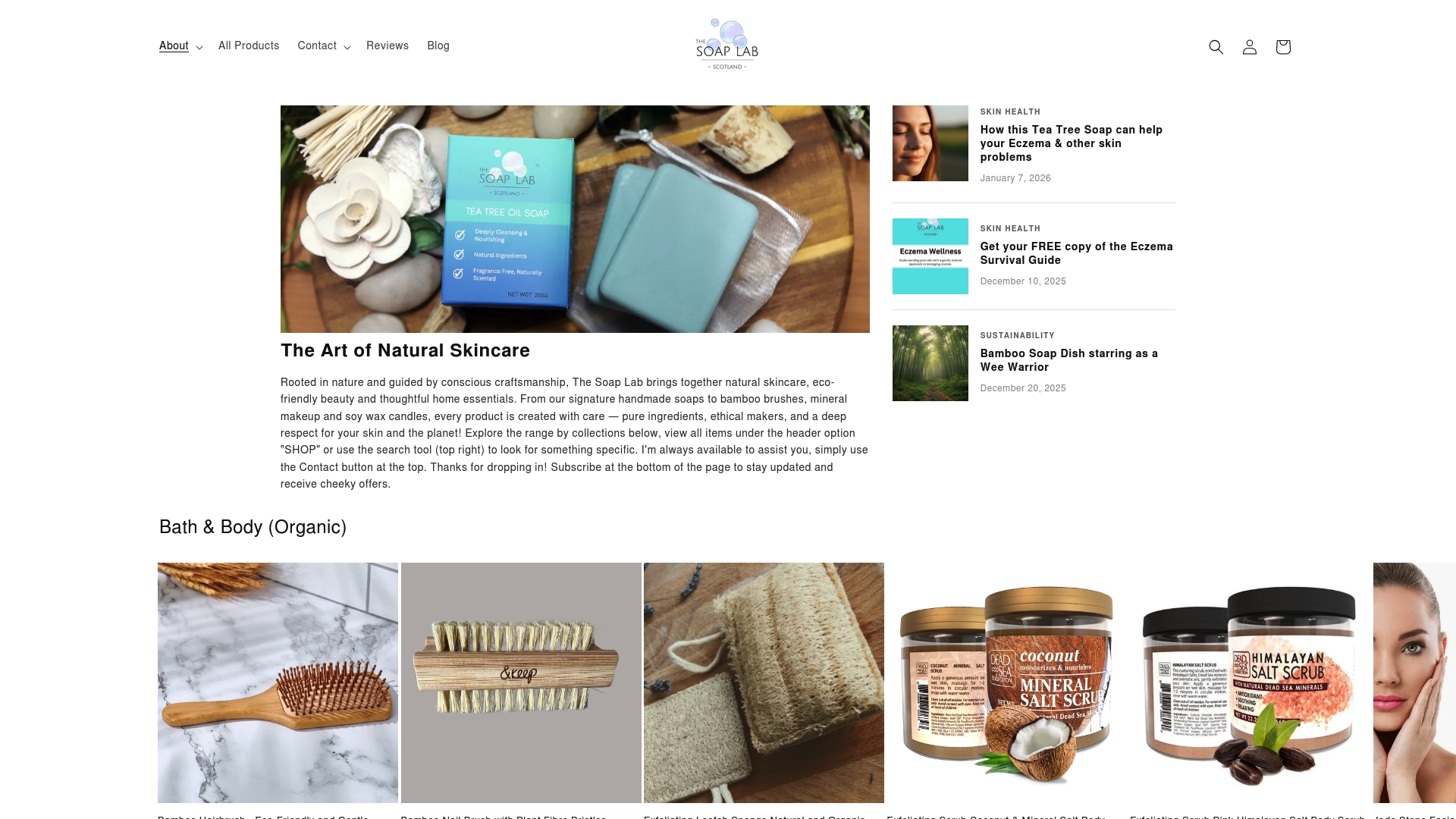
Explore our curated collection of Organic Personal Care Products – The Soap Lab Scotland and find soaps tailored to sensitive and problem skin formulated with pure, plant-powered goodness. Pair these with items from our Facial Care - Plant Powered Goodness – The Soap Lab Scotland range for a complete, natural routine. Make the switch today and experience the gentle, ethical skincare your skin truly deserves by visiting The Soap Lab now.
Frequently Asked Questions
What are the main benefits of using handmade soap?
Handmade soap offers numerous benefits, including natural ingredients that are gentle on the skin, retained glycerine for hydration, and the potential for personalised formulations tailored to individual skin types and concerns.
How does handmade soap differ from commercial soap?
Handmade soap is crafted in small batches using natural oils and butters, whereas commercial soap is mass-produced with synthetic detergents and preservatives, often prioritising profit over skin health. Handmade soaps maintain beneficial compounds like glycerine, which are stripped out in commercial varieties.
Can handmade soap help with sensitive skin conditions?
Yes, handmade soaps can be especially beneficial for sensitive skin. They are often made with gentle ingredients and can be customised to avoid irritants, making them suitable for conditions like eczema, dermatitis, and rosacea.
Why is ethical sourcing important in handmade soap production?
Ethical sourcing ensures that the ingredients used in handmade soap are obtained responsibly, supporting fair labour practices and sustainable farming. It helps build direct relationships between soapmakers and suppliers, which can lead to better quality and safety in the products used on your skin.
Recommended
- Eczema Treatment Tips | Organic Tea Tree Soap Benefits – The Soap Lab Scotland
- Shampoo Bars | Pink Clay & Sage – The Soap Lab – The Soap Lab Scotland
- Eczema Treatment Tips | Organic Tea Tree Soap Benefits – The Soap Lab Scotland
- Soap Dish | Organic Bamboo Soap Dish – The Soap Lab – The Soap Lab Scotland
- Eco-Conscious Beauty: Nurturing Skin and Planet – Pure Light Botanical Beauty



