

Why Choose Natural Soap: Skin and Sustainability
Finding a truly gentle soap that cares for sensitive skin and the environment can feel like a challenge. For eco-conscious British consumers, the difference between natural and synthetic soaps matters far beyond the label. Backed by scientific studies, natural soap compounds offer superior biodegradability compared to synthetic detergents, helping both your skin and the planet. This guide uncovers common myths and shines a light on the benefits and craftsmanship behind sustainable, handmade soap options.
Table of Contents
- Defining Natural Soap And Common Myths
- Types Of Natural Soap And Key Ingredients
- How Natural Soap Supports Sensitive Skin
- Environmental Impact And Sustainability Factors
- UK Laws And Standards For Natural Soap
- Comparing Natural Soap With Conventional Alternatives
Key Takeaways
| Point | Details |
|---|---|
| Natural Soaps Promote Skin Health | Natural soaps utilise organic ingredients that nourish the skin and support its microbiome while providing effective cleansing. |
| Environmental Benefits | Natural soaps are biodegradable and have a lower ecological footprint compared to synthetic alternatives, making them a more sustainable choice. |
| Care for Sensitive Skin | Natural soap formulations often feature gentle, hypoallergenic ingredients that protect the skin barrier, reducing irritation for sensitive skin types. |
| Regulatory Compliance | UK laws ensure natural soaps meet strict safety, labelling, and quality standards, enhancing consumer trust in these products. |
Defining Natural Soap and Common Myths
Natural soap represents more than just a cleansing product - it’s a holistic approach to personal care that prioritises skin health and environmental sustainability. Unlike synthetic detergents, natural soaps are crafted from organic, minimally processed ingredients derived from plant-based oils and botanical extracts.
Scientific research provides clear insights into the advantages of natural soap formulations. A comprehensive study demonstrated that natural soap compounds offer superior biodegradability compared to synthetic alternatives, highlighting their environmental and dermatological benefits.
Common myths about natural soap persist, which can discourage potential users from experiencing their remarkable properties. Let’s debunk some prevalent misconceptions:
- Myth 1: Natural soaps are less effective at cleaning
- Myth 2: They are more expensive and less convenient
- Myth 3: Natural soaps don’t lather as well as commercial products
- Myth 4: They have a limited shelf life
In reality, natural soaps provide gentle yet thorough cleansing while supporting both skin health and ecological balance. Their composition typically includes:
- Organic vegetable oils (coconut, olive, palm)
- Essential botanical extracts
- Natural glycerin
- Plant-based colourants
- Pure essential oils for fragrance
These ingredients work synergistically to nourish skin, remove impurities, and maintain the skin’s natural protective barrier. Unlike harsh chemical detergents, natural soaps respect the skin’s delicate microbiome.
Pro tip: When selecting a natural soap, examine the ingredient list carefully and prioritise products with transparent, minimal ingredient profiles that clearly list their organic components.
Types of Natural Soap and Key Ingredients
Natural soaps come in diverse formulations designed to address specific skin concerns and preferences. Different skin types require targeted soap compositions that leverage the therapeutic properties of botanical ingredients.
The primary categories of natural soaps include:
- Cleansing Soaps: Designed to remove impurities without stripping natural oils
- Moisturising Soaps: Infused with hydrating ingredients like shea butter and olive oil
- Therapeutic Soaps: Formulated with specific herbal extracts for targeted skin benefits
- Exfoliating Soaps: Containing natural abrasives like oatmeal or ground herbs
Key natural ingredients play crucial roles in these soap formulations. Herbal extracts offer remarkable skin-healing properties, with ingredients such as:
- Neem: Antimicrobial and anti-inflammatory
- Aloe vera: Soothing and hydrating
- Turmeric: Antioxidant and skin-brightening
- Tea tree oil: Antibacterial and purifying
- Chamomile: Calming and reducing skin irritation
The scientific community has extensively researched the benefits of herbal soap ingredients and their health applications. These natural components provide a holistic approach to skincare, addressing multiple skin concerns simultaneously.
Moisturising ingredients are particularly important in natural soap formulations. Organic oils like coconut, olive, and almond work synergistically to nourish and protect the skin’s delicate microbiome, providing gentle cleansing without harsh chemical interventions.
Here is a summary of natural soap categories and their benefits:
| Soap Category | Targeted Benefit | Typical Key Ingredient |
|---|---|---|
| Cleansing | Removes impurities gently | Coconut oil |
| Moisturising | Boosts hydration | Shea butter |
| Therapeutic | Soothes specific conditions | Neem, chamomile |
| Exfoliating | Promotes skin renewal | Oatmeal, ground herbs |
Pro tip: When selecting a natural soap, prioritise products with a short, transparent ingredient list that clearly specifies the botanical extracts and their specific skin benefits.
How Natural Soap Supports Sensitive Skin
Sensitive skin requires a delicate, nuanced approach to cleansing that traditional synthetic soaps often fail to provide. Natural soap formulations offer targeted support for reactive skin, addressing specific dermatological challenges with gentle, botanical ingredients.
Key characteristics of natural soaps beneficial for sensitive skin include:
- Minimal, pure ingredient lists
- Absence of harsh chemical additives
- Rich, nourishing botanical oils
- Balanced pH levels
- Hypoallergenic formulations
Skin barrier protection is crucial for individuals with sensitive skin. Natural soaps excel by maintaining the skin’s delicate microbiome through carefully selected ingredients that support rather than disrupt epidermal function.

Scientific research on soap pH levels reveals that natural soap compositions can subtly influence skin health. Specifically, cold-processed soaps with higher superfat content provide additional moisturising benefits, creating a protective layer that reduces potential irritation.
The most effective natural soaps for sensitive skin typically incorporate:
- Olive oil: Deeply hydrating and anti-inflammatory
- Shea butter: Exceptional moisture retention
- Calendula: Soothing and healing
- Chamomile: Reduces skin redness
- Aloe vera: Calming and regenerative
These ingredients work synergistically to calm, protect, and restore sensitive skin, offering a holistic alternative to harsh chemical cleansers that can trigger inflammation and discomfort.
Pro tip: Perform a patch test with new natural soap products, applying a small amount to your inner forearm and waiting 24 hours to check for any potential adverse reactions.
Environmental Impact and Sustainability Factors
Natural soap production represents a critical intersection between personal care and environmental responsibility. Life Cycle Assessment research reveals comprehensive ecological implications of soap manufacturing, highlighting the significant environmental considerations consumers must understand.
Key sustainability factors in natural soap production include:
- Reduced carbon emissions
- Minimal water consumption
- Biodegradable ingredients
- Lower ecological footprint
- Sustainable packaging options
- Ethical sourcing of raw materials
Ecological impact extends beyond production, encompassing consumer usage and disposal practices. Natural soaps demonstrate remarkable environmental advantages, particularly in their biodegradability and reduced toxicity to aquatic ecosystems.
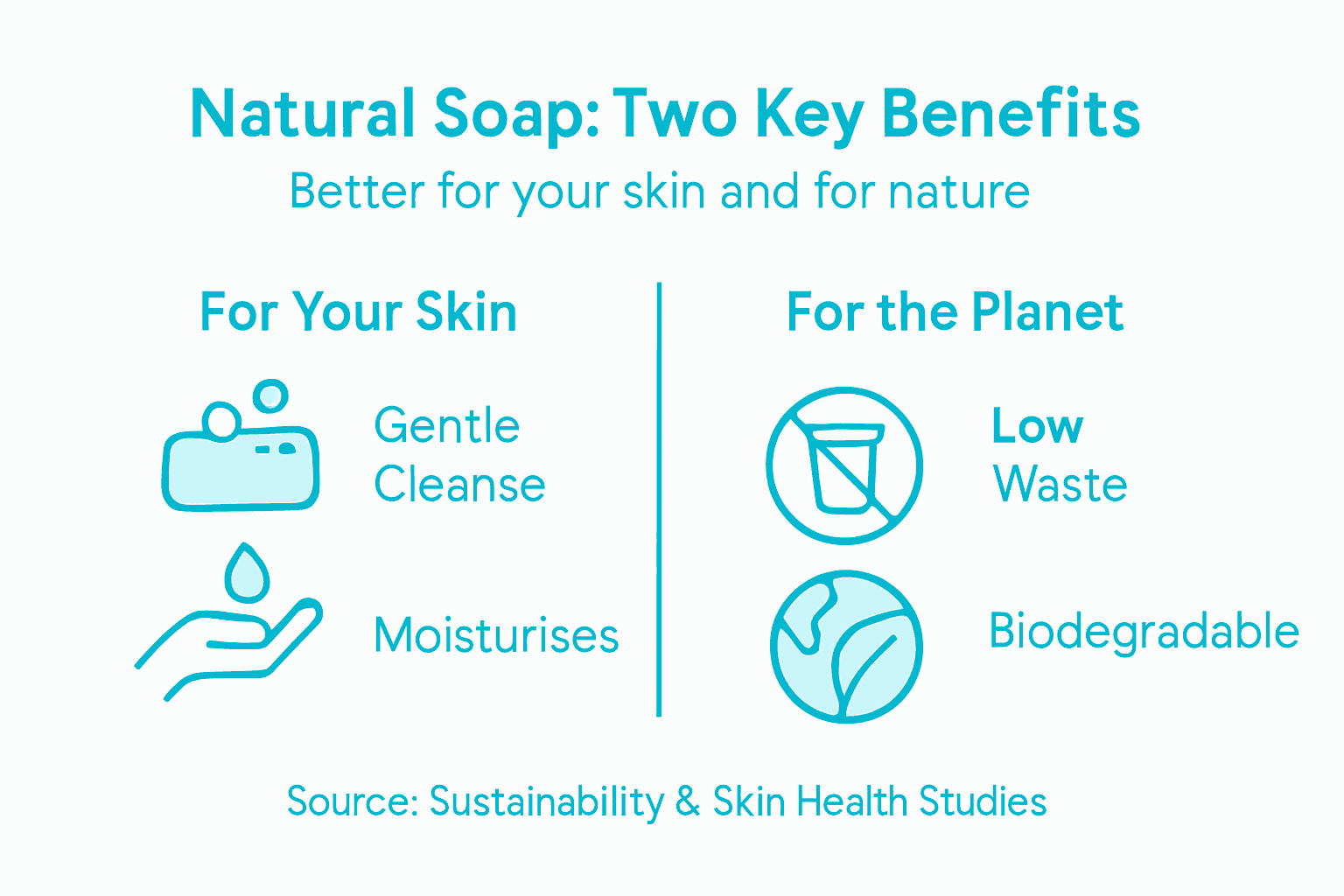
Scientific studies confirm natural soap’s environmental superiority, demonstrating significant reductions in environmental harm compared to synthetic detergents. These findings underscore the importance of choosing natural soap as an environmentally conscious decision.
Consumers can contribute to sustainability through:
- Selecting soaps with minimal, recyclable packaging
- Choosing locally produced brands
- Purchasing concentrated soap formulations
- Supporting manufacturers with transparent environmental practices
- Minimising water consumption during use
The circular economy principles are particularly relevant in natural soap production, emphasising resource efficiency, waste reduction, and long-term environmental stewardship. By selecting natural soaps, consumers actively participate in a more sustainable personal care ecosystem.
Pro tip: Look for soap brands that provide transparent information about their environmental certifications and sustainability practices.
UK Laws and Standards for Natural Soap
The regulatory landscape for natural soap in the United Kingdom is complex and comprehensive, ensuring consumer safety and product integrity. Cosmetic product regulations provide rigorous standards that manufacturers must navigate carefully.
Key legislative requirements for natural soap producers include:
- Comprehensive safety assessments
- Detailed product information files
- Accurate ingredient labelling
- Compliance with post-Brexit cosmetic regulations
- Responsible person identification
- Transparent manufacturing documentation
Regulatory compliance extends beyond mere legal adherence, representing a commitment to consumer protection and product quality. Natural soap manufacturers must demonstrate:
- Ingredient traceability
- Chemical composition transparency
- Potential allergen declarations
- Manufacturing process documentation
- Safety testing evidence
The Cosmetic Products Enforcement Regulations 2013 establish stringent guidelines that apply specifically to natural soap production. These regulations mandate:
- Strict ingredient purity standards
- Comprehensive toxicological assessments
- Clear consumer information protocols
- Rigorous safety documentation requirements
- Precise labelling regulations
Beyond legal compliance, these standards protect consumers by ensuring that natural soap products meet high-quality benchmarks for safety, efficacy, and environmental responsibility.
Pro tip: Always request detailed ingredient information and safety documentation from natural soap manufacturers to verify regulatory compliance.
Comparing Natural Soap with Conventional Alternatives
Scientific research comparing soap formulations reveals significant differences between natural and conventional soap products, highlighting crucial distinctions in their composition, performance, and environmental impact.
Key comparative aspects between natural and conventional soaps include:
-
Chemical Composition
- Natural: Plant-based, organic ingredients
- Conventional: Synthetic detergents, petroleum-based chemicals
-
Skin Interaction
- Natural: Gentle, supportive of skin microbiome
- Conventional: Often harsh, potentially disruptive
-
Environmental Impact
- Natural: Biodegradable, lower ecological footprint
- Conventional: Higher toxicity, longer environmental persistence
Ingredient profiles demonstrate stark differences. Conventional soaps typically contain:
- Synthetic surfactants
- Artificial fragrances
- Preservative chemicals
- Petroleum-derived compounds
- Potential endocrine disruptors
In contrast, comparative studies of soap properties indicate natural soaps offer superior skin compatibility and long-term health benefits. While synthetic soaps might provide immediate antibacterial action, natural alternatives support holistic skin health through carefully selected botanical ingredients.
The performance variations extend beyond immediate cleansing. Natural soaps demonstrate remarkable advantages in:
This table compares natural and conventional soaps across critical factors:
| Aspect | Natural Soap | Conventional Soap |
|---|---|---|
| Core Ingredients | Plant oils, botanicals | Synthetic chemicals, detergents |
| Eco Friendliness | Highly biodegradable, low toxicity | Poor biodegradability, higher risk |
| Effect on Skin | Preserves moisture, gentle | May cause dryness, can irritate |
| Overall Longevity | Moderate shelf life, few preservatives | Long shelf life, more additives |
- Sustained moisture retention
- Reduced skin irritation
- Enhanced dermal protection
- Balanced skin pH levels
- Minimal allergenic potential
Pro tip: When transitioning from conventional to natural soaps, gradually introduce new products to allow your skin’s microbiome to adjust and respond positively.
Embrace True Skin Wellness and Sustainability Today
Choosing natural soap is not just about cleansing it is a commitment to nurturing your skin while protecting the planet. If you seek gentle formulas that preserve skin’s natural barrier and environmental responsibility that truly matters explore our range of Organic Personal Care Products. Each product is crafted to nourish sensitive skin with pure botanical ingredients and reflect ethical sustainability practices.

Discover the powerful benefits of plant-powered goodness for your facial and body care in our Facial Care - Plant Powered Goodness selection. Make the conscious choice now and experience skincare that respects your health and our environment. Visit The Soap Lab to start your natural self-care journey with products inspired by science and nature.
Frequently Asked Questions
What are the benefits of using natural soap over conventional soap?
Natural soaps are made from plant-based, organic ingredients that are biodegradable and gentler on the skin. They support the skin’s microbiome, hydrate effectively, and have a lower environmental impact compared to synthetic detergents, which can be harsh and disruptive.
Can natural soap be effective for sensitive skin?
Yes, natural soaps are formulated with minimal, pure ingredient lists and typically exclude harsh chemicals. Ingredients like olive oil, shea butter, and chamomile provide soothing and nourishing benefits, making them excellent choices for individuals with sensitive skin.
How should I choose a natural soap that suits my skin type?
When selecting a natural soap, look for products with labels indicating specific benefits. For instance, choose moisturising soaps for dry skin, cleansing soaps for oily skin, or therapeutic soaps targeting conditions like eczema. Always check for natural ingredients that align with your skin concerns.
How does the environmental impact of natural soap compare to conventional soap?
Natural soaps have a significantly lower ecological footprint thanks to their biodegradable ingredients and sustainable production methods. In contrast, conventional soaps often contain synthetic compounds that are persistent in the environment and can be toxic to aquatic ecosystems.
Recommended
- Eczema Treatment Tips | Organic Tea Tree Soap Benefits – The Soap Lab Scotland
- Eczema Treatment Tips | Organic Tea Tree Soap Benefits – The Soap Lab Scotland
- Soap Dish Benefits | Why Choose a Bamboo Soap Dish – The Soap Lab Scotland
- Loofah | Exfoliating Natural & Organic Loofah – The Soap Lab – The Soap Lab Scotland



