

Vegan Skincare Products: Impact on Sustainability and Skin
Finding vegan skincare that truly honours your values can feel complex, especially when labels and ingredient lists reveal so much more than meets the eye. For eco-conscious people in the United Kingdom prioritising ethical living and sensitive skin, understanding the difference between a cruelty-free badge and a vegan claim is crucial. With European regulations encouraging transparency in cosmetics, this guide will help you confidently choose natural, plant-powered products designed for both your wellbeing and the planet.
Table of Contents
- Defining Vegan Skincare Products
- Key Ingredients And Label Distinctions
- Types And Benefits Of Vegan Skincare
- Addressing Common Misconceptions
- Risks And Comparing Alternatives
Key Takeaways
| Point | Details |
|---|---|
| Vegan Skincare Principles | Vegan skincare excludes all animal-derived ingredients and prioritises cruelty-free and sustainable practices. |
| Ingredient Labelling | Consumers should be aware of the various vegan labels to ensure true vegan compliance of products. |
| Benefits of Vegan Products | Vegan skincare offers enhanced skin nutrition and lower environmental impact while utilising potent plant-based ingredients. |
| Common Misconceptions | Vegan skincare is suitable for all skin types, and natural ingredients can be as effective as synthetic options. |
Defining Vegan Skincare Products
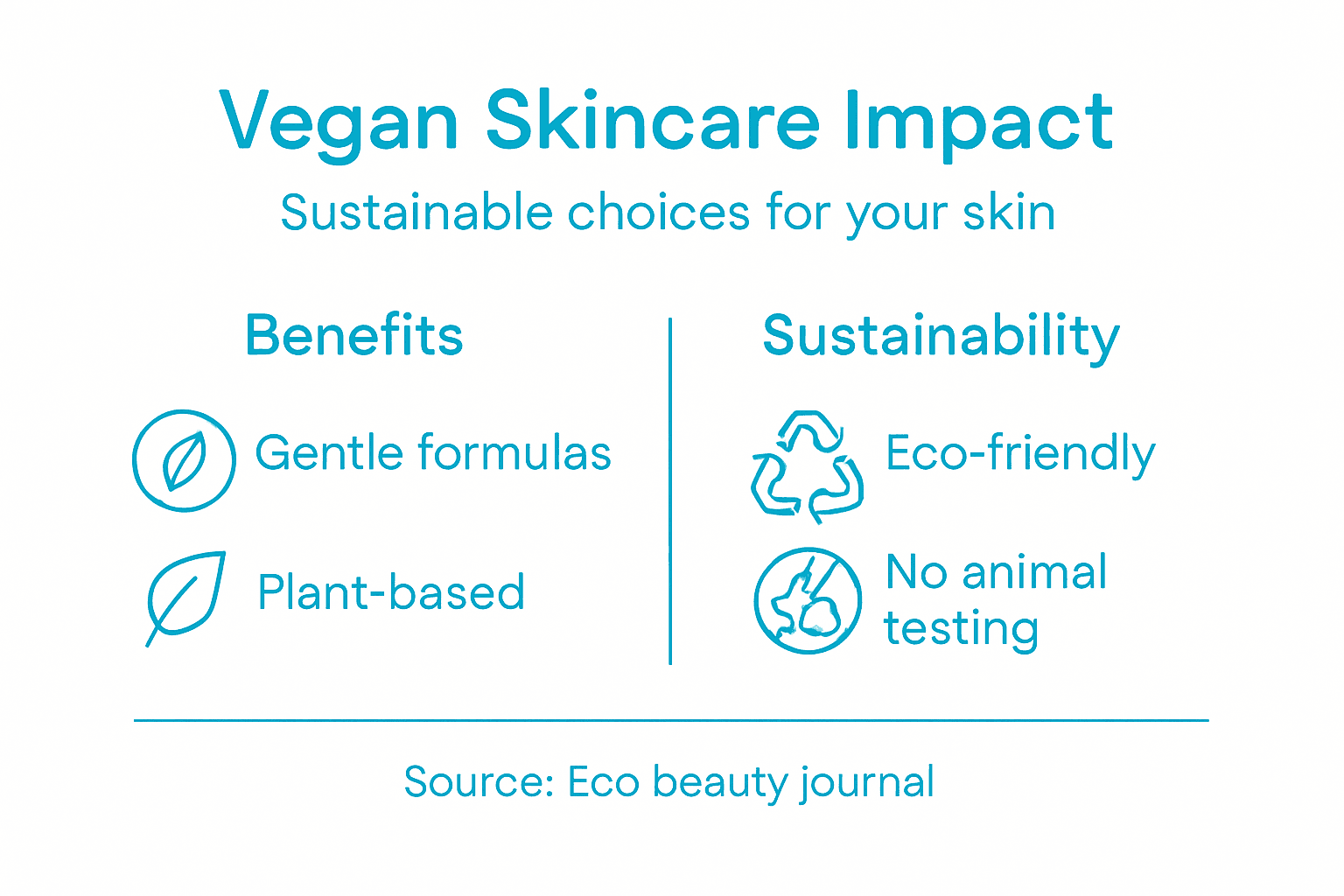
Vegan skincare represents a holistic approach to beauty products that fundamentally excludes any animal-derived ingredients or byproducts. These products are crafted exclusively using plant-based, mineral, and synthetic components that have not been tested on animals, ensuring ethical and sustainable personal care solutions.
The key characteristics of vegan skincare products include:
- Complete elimination of animal-derived ingredients like beeswax, lanolin, collagen, and carmine
- Commitment to cruelty-free manufacturing processes
- Utilisation of plant-based alternatives for traditional animal-sourced ingredients
- Transparent ingredient sourcing and production methods
European regulatory frameworks have been instrumental in promoting ingredient transparency. The cosmetic products regulation framework establishes comprehensive safety standards that support consumer understanding of product composition, even though a legal definition of ‘vegan’ remains undefined.
Understanding vegan skincare goes beyond ingredient selection. It represents a philosophy of compassionate consumption that considers animal welfare, environmental sustainability, and personal health. These products often leverage botanical extracts, essential oils, and scientifically developed plant-based compounds to deliver powerful skincare solutions.
Pro tip: Always review ingredient lists carefully and look for certified vegan logos to ensure complete alignment with vegan skincare principles.
Key Ingredients and Label Distinctions
Navigating the world of vegan skincare requires a keen understanding of ingredient labels and their nuanced distinctions. Recognizing vegan cosmetics involves more than simply avoiding animal products—it demands comprehensive knowledge of ingredient sourcing and ethical production practices.
Key components that define vegan skincare ingredients include:
- Plant-based extracts and oils (e.g., jojoba, argan, rosehip)
- Mineral-derived components
- Synthetic ingredients developed without animal testing
- Natural fermented and biotechnology-derived compounds
- Zero animal-derived substances like beeswax, lanolin, or collagen
The terminology surrounding vegan skincare can be complex. Vegan labels typically fall into several categories:
- 100% Vegan: Contains no animal-derived ingredients whatsoever
- Mostly Vegan: Some plant-based ingredients with potential minimal animal-derived components
- Certified Vegan: Verified by independent third-party organisations
- Cruelty-Free: Indicates no animal testing, but not necessarily fully vegan
Consumers must remain vigilant, as ‘vegan’ is often an unregulated term in the cosmetics industry. This means careful ingredient scrutiny is essential for those committed to animal-friendly skincare solutions. Botanical ingredients, minerals, and scientifically developed plant-based compounds now offer powerful alternatives to traditional animal-derived skincare ingredients.
To clarify the distinctions between key skincare labelling terms, consider the following comparison:
| Label Type | Ingredient Policy | Testing Policy | Certification Required |
|---|---|---|---|
| 100% Vegan | Strictly excludes all animal derivatives | No animal testing | Not always independently verified |
| Mostly Vegan | May include trace animal components | No animal testing | Not typically certified |
| Certified Vegan | Fully free from animal substances | No animal testing | Third-party validated |
| Cruelty-Free | May include animal-derived ingredients | No animal testing | Often certified, not always vegan |
Pro tip: Invest in a magnifying glass or use smartphone apps that help decode complex ingredient lists to ensure your skincare truly meets vegan standards.
Types and Benefits of Vegan Skincare
Vegan skincare represents a holistic approach to beauty that goes far beyond simple ingredient avoidance. Plant-based antioxidants and nutrients offer profound skin health benefits, transforming how we conceptualise natural skincare solutions.
The primary types of vegan skincare products include:
- Hydrating Formulations: Moisture-rich products using plant oils and botanical extracts
- Anti-Aging Serums: Concentrated treatments leveraging natural compounds
- Sensitive Skin Solutions: Gentle, hypoallergenic products without harsh chemicals
- Targeted Treatment Lines: Specialised products addressing specific skin concerns
- Minimal Ingredient Ranges: Streamlined formulations with pure, traceable components
Benefits of vegan skincare extend well beyond ethical considerations. These products typically deliver remarkable advantages:
- Enhanced skin nutrition from pure botanical ingredients
- Reduced exposure to synthetic chemicals
- Improved skin elasticity and hydration
- Lower environmental impact
- Support for sustainable manufacturing practices
Understanding that natural does not automatically mean ineffective is crucial. Modern vegan skincare harnesses sophisticated botanical technologies, creating powerful formulations that rival—and often surpass—traditional synthetic alternatives. These products work harmoniously with skin’s natural processes, providing gentle yet effective care.
Pro tip: Patch test new vegan skincare products and introduce them gradually to understand how your unique skin responds to plant-based ingredients.
Addressing Common Misconceptions
Vegan skincare remains shrouded in numerous myths that frequently discourage potential users. Common misconceptions about vegan skincare persist, creating unnecessary barriers to understanding these innovative products.
The most prevalent misconceptions include:
-
Myth: Vegan Skincare is Only for Vegans
- Reality: These products benefit all skin types and consumers
- Inclusive approach transcends dietary preferences
-
Myth: Plant-Based Products Are Less Effective
- Reality: Natural ingredients can be highly potent and scientifically advanced
- Many botanical extracts offer superior skin-healing properties
Key distinctions that challenge these misconceptions involve understanding fundamental differences:
- Vegan ≠ Cruelty-Free (though they can overlap)
- Natural ingredients can be as powerful as synthetic alternatives
- Preservative-free does not mean safer or better
- Performance depends on formulation, not ingredient origin
- Accessibility of vegan skincare has dramatically improved
Professional dermatological research consistently demonstrates that well-formulated vegan products can provide exceptional skin nutrition and protection. The misconception that plant-based means compromised performance is rapidly becoming outdated, as botanical science continues to advance remarkable skincare technologies.

Pro tip: Research ingredient lists carefully and consult skincare professionals to understand the specific benefits of plant-based formulations for your unique skin needs.
Risks and Comparing Alternatives
Comparing vegan skincare products requires nuanced understanding beyond surface-level claims. Biological risks from skincare ingredients demand careful evaluation of both plant-based and synthetic alternatives.
Key comparative aspects between vegan and traditional skincare include:
-
Ingredient Origin
- Vegan: Plant-derived, biotechnological sources
- Traditional: Synthetic, animal-derived components
-
Safety Profiles
- Vegan: Generally lower chemical complexity
- Traditional: More standardised regulatory oversight
Potential risks associated with vegan skincare products encompass:
- Potential allergenic responses from botanical extracts
- Limited long-term stability of natural preservatives
- Higher susceptibility to microbial contamination
- Variable potency of plant-based ingredients
- Potential increased skin sensitivity
Scientific research emphasises that natural does not automatically mean safer. Each ingredient, whether synthetic or plant-derived, requires rigorous assessment for potential health implications. The crucial factor remains comprehensive understanding of individual ingredient interactions and potential skin responses.
The table below summarises strengths and limitations of vegan versus traditional skincare:
| Aspect | Vegan Skincare Approach | Traditional Skincare Approach |
|---|---|---|
| Ingredient Sources | Plants, minerals, biotech processes | Synthetics, animal derivatives |
| Allergen Risk | Can trigger plant-based allergies | Common allergens often identified |
| Environmental Impact | Lower footprint, sustainable focus | May involve greater resource usage |
| Product Longevity | May spoil faster, uses natural preservatives | Longer shelf life with synthetics |
Pro tip: Conduct patch tests with new vegan skincare products and maintain a detailed skin reaction journal to track individual sensitivities.
Discover the Power of True Vegan Skincare for Sustainable Beauty
Embracing vegan skincare is about more than just avoiding animal-derived ingredients it is a commitment to sustainability, ethical choices, and effective skin health. If you want products that harness plant-powered goodness while nurturing your skin and protecting our planet, explore our dedicated Facial Care - Plant Powered Goodness collection. Each item is carefully handcrafted using natural, organic components that align perfectly with the values discussed in the article.
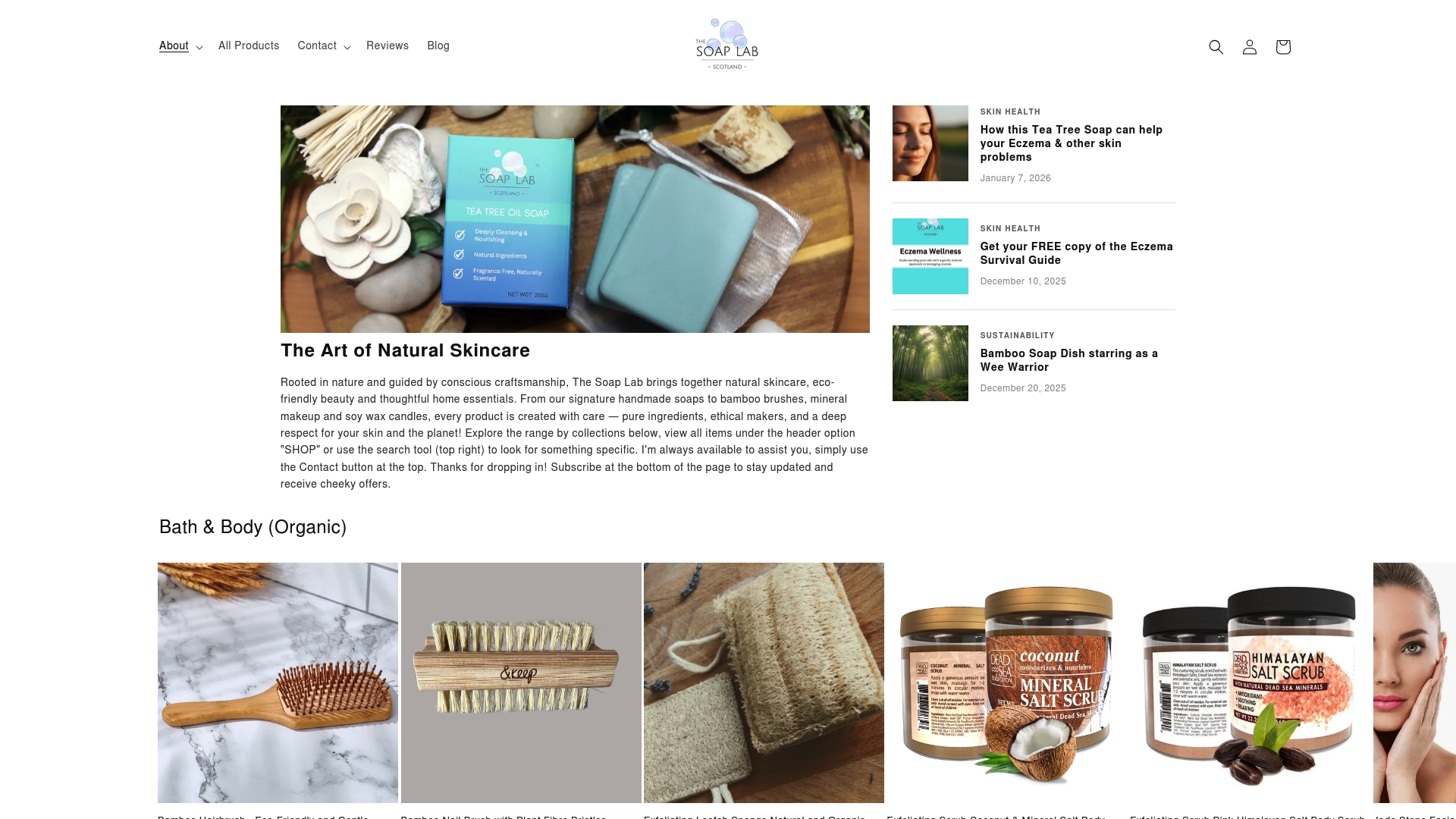
Take control of your skincare routine today by choosing products that deliver pure botanical nutrients with a reduced environmental impact. Visit The Soap Lab and browse our range of Organic Personal Care Products designed for conscious consumers seeking transparency and quality. Act now to experience the benefits of thoughtful, sustainable beauty solutions crafted to support your skin and the planet.
Frequently Asked Questions
What are vegan skincare products?
Vegan skincare products are personal care solutions that do not contain any animal-derived ingredients or byproducts and are not tested on animals. They focus on using plant-based, mineral, and synthetic components.
How can I identify a certified vegan skincare product?
To identify a certified vegan skincare product, look for a logo from independent third-party organisations that verify products as vegan. Additionally, checking the ingredient list for any animal-derived substances can help ensure the product aligns with vegan standards.
Are vegan skincare products always cruelty-free?
While many vegan skincare products are cruelty-free, not all products labelled as cruelty-free are necessarily vegan. It is important to check both the ingredient list and the product’s certification to confirm its status as both vegan and cruelty-free.
What are the benefits of using vegan skincare products?
The benefits of using vegan skincare products include enhanced skin nutrition from natural ingredients, reduced exposure to synthetic chemicals, improved hydration, and a lower environmental impact due to sustainable manufacturing practices.
Recommended
- What Is Vegan Skincare and Why It Matters – The Soap Lab Scotland
- Eco Friendly Skincare Checklist | 7 Essential Steps – The Soap Lab Scotland
- What Are Vegan Beauty Products and Why They Matter – The Soap Lab Scotland
- 7 Essentials for an Eco-Friendly Skincare Ingredients Checklist – The Soap Lab Scotland



