

What Are Vegan Beauty Products and Why They Matter
Picking out beauty products that align with your ethics can feel like a minefield when every label claims to be planet-friendly. For eco-conscious shoppers in the United Kingdom, knowing the difference between truly vegan skincare and clever marketing is essential. With 30,000 vegan cosmetic products registered by The Vegan Society in 2023, the market is full of options, but myths and confusion linger. This guide reveals what vegan beauty really means, uncovers common misconceptions, and shows how to spot products that match your sustainable values.
Table of Contents
- Defining Vegan Beauty Products And Myths
- Core Ingredients And Common Animal-Derived Substitutes
- Certifications, Labelling And Consumer Transparency
- Vegan Versus Cruelty-Free: Key Legal Differences
- Environmental Impact And Ethical Benefits Of Vegan Beauty
- Challenges, Limitations, And What To Avoid
Key Takeaways
| Point | Details |
|---|---|
| Vegan versus Cruelty-Free | Vegan products contain no animal-derived ingredients, while cruelty-free products focus on the absence of animal testing; both claims are distinct and require understanding. |
| Ingredient Transparency | Look for products with clear, transparent ingredient lists and third-party certifications to ensure ethical sourcing and avoid greenwashing. |
| Market Growth and Affordability | The vegan beauty market is expanding rapidly, with many affordable options available, particularly from independent brands. |
| Environmental Impact | Choosing vegan beauty products reduces reliance on animal agriculture, thus lessening the environmental footprint associated with conventional beauty production. |
Defining Vegan Beauty Products and Myths
When you pick up a beauty product labelled “vegan,” you might assume it’s automatically better for animals or the environment. The reality is more nuanced. Vegan beauty products exclude all animal-derived ingredients such as beeswax, lanolin, carmine (from crushed insects), and collagen. This means no honey, silk proteins, or substances derived from animal sources. The distinction matters because many conventional beauty products contain hidden animal ingredients that most consumers never realise they’re applying to their skin. A product might look natural and feel luxurious, but somewhere in its formula could be a component extracted from an animal that you’d prefer not to support.
The vegan beauty industry has experienced remarkable growth, with 30,000 vegan cosmetic products registered by The Vegan Society in 2023 alone. This expansion reflects genuine consumer demand from UK shoppers who want their beauty routines to align with their values. However, this growth has also created confusion. One of the most persistent myths is that “vegan” and “cruelty-free” mean the same thing. They don’t. Cruelty-free refers to testing practices: a product is cruelty-free when neither the finished product nor its ingredients have been tested on animals. A vegan product contains no animal ingredients, but it might still be tested on animals (though this is increasingly rare). Conversely, a cruelty-free product could contain beeswax or other animal-derived ingredients. Understanding this distinction protects you from greenwashing and helps you make purchases truly aligned with your values.
Another common misconception is that vegan beauty products are less effective than their conventional counterparts. Plant-based alternatives have become remarkably sophisticated. Modern formulations using botanical extracts, plant oils, and synthetic ingredients perform just as well as traditional recipes—sometimes better, particularly for sensitive or reactive skin. Many eco-conscious consumers in the UK report that switching to vegan products improved their skin conditions because plant-based ingredients tend to be gentler and less likely to trigger irritation. Additionally, concerns about ingredient transparency and labelling persist. Digital influencers and social media campaigns have helped raise awareness about vegan beauty, though this has also meant marketing sometimes overshadows genuine product information. The key is learning to read ingredient lists yourself rather than relying solely on marketing claims.
You’ll also encounter the myth that all vegan beauty products are expensive. Whilst some premium brands command higher prices, many affordable options exist, particularly within the handmade and independent beauty sector. Small producers often create exceptional vegan formulations without the marketing overhead of large corporations. Brands offering natural makeup collections demonstrate that quality vegan beauty doesn’t require a luxury price tag. The final misconception worth addressing is that vegan beauty products won’t perform well in everyday use. Products like vegan friendly waterproof mascara prove this false—contemporary formulations hold colour, texture, and longevity without compromising ethics.
Pro tip: When evaluating vegan beauty products, look beyond marketing claims and check for third-party certifications like The Vegan Trademark, which provides genuine assurance that products meet strict animal-free standards without relying on your own ingredient interpretation.
Core Ingredients and Common Animal-Derived Substitutes
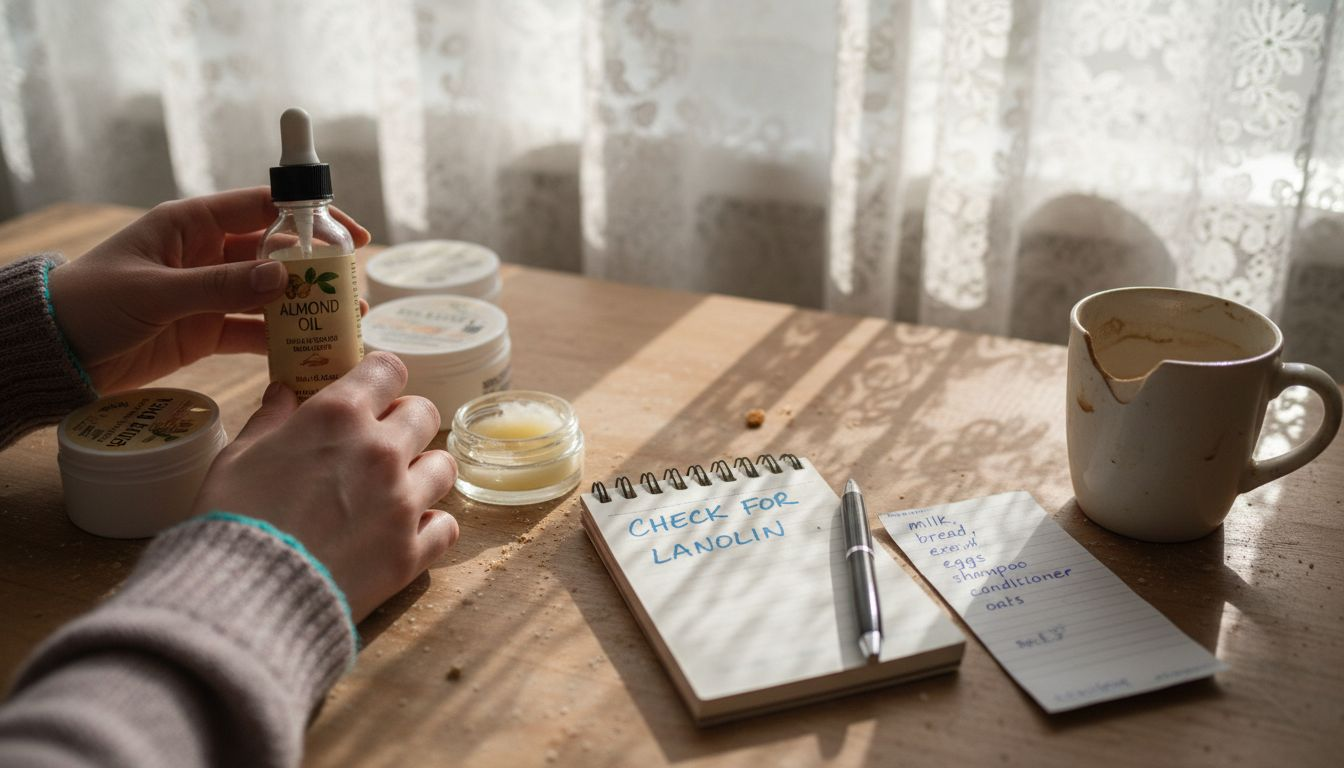
If you’ve ever held a beauty product and wondered whether that long list of scientific-sounding ingredients contains anything from animals, you’re asking exactly the right question. The challenge is that animal-derived components hide behind chemical names and technical terminology. Lanolin, extracted from sheep’s wool, appears in countless moisturisers and lip balms because it’s excellent at hydrating skin. Carmine, a vibrant red pigment, comes from crushed cochineal insects and was historically used in lipsticks and blushes. Keratin and collagen are proteins sourced from animal hair, horns, and bones. Glycerin can come from animal fat, though it’s also produced from plants. Squalane, derived from shark liver oil, was once a skincare staple. Stearic acid frequently originates from animal tallow. These ingredients aren’t harmful to your skin, but they require animals to exist in the beauty supply chain.
Vegan formulations have moved beyond simply removing these ingredients. Innovative replacements perform equally well, sometimes better. Shea butter provides the same luxurious moisturising properties as lanolin whilst coming directly from shea tree nuts grown in West Africa. Beetroot powder delivers the same colour and pigmentation as carmine without any insect involvement. Hydrolysed wheat or soy protein replaces keratin, strengthening hair and skin just as effectively. Plant-based glycerin extracted from vegetable sources works identically to animal-derived versions. Seaweed extracts have become celebrated alternatives to collagen, offering similar skin-plumping benefits whilst providing additional minerals and nutrients. Plant-derived stearic acid, sourced from coconut or palm oil, serves the same stabilising and thickening functions. Perhaps most impressively, plant-sourced squalane from sugarcane has made shark harvesting unnecessary for beauty brands committed to vegan principles.
Understanding hidden animal ingredients in cosmetics becomes crucial when you’re shopping consciously. The real difficulty lies in recognising these ingredients when they appear on labels. A product might display ingredients you’ve never heard of, making it impossible to know whether something is vegan without researching each component individually. This is where brands focusing on transparency make a genuine difference. Handmade soap and skincare producers, particularly those committed to natural formulations, typically list their ingredients clearly and source them with intention. When you see a product containing shea butter, coconut oil, plant-derived glycerin, or seaweed extract, you’re looking at vegan-friendly ingredients that come from plants rather than animals. The sourcing matters too. A vegan ingredient sourced through fair-trade channels and sustainable farming represents the complete ethical picture that many UK consumers seek when selecting beauty products.
The transition from animal-derived to plant-based ingredients reflects broader industry shifts toward sustainability and ethics. Many brands now highlight their vegan status prominently because consumers recognise it signals thoughtfulness about ingredient sourcing. When shopping for everyday beauty essentials, whether you’re selecting handmade soaps, moisturisers, or colour cosmetics, checking ingredient lists gives you direct insight into the producer’s values. Brands that list ingredients transparently invite you to understand exactly what you’re applying to your skin.
Here’s a quick reference to common animal-derived ingredients found in cosmetics and their vegan alternatives:
| Animal-Derived Ingredient | Typical Use in Beauty Products | Vegan Alternative | Key Benefit of Alternative |
|---|---|---|---|
| Lanolin | Moisturisers, lip balms | Shea butter | Deep hydration, sustainably sourced |
| Carmine | Lipsticks, blushers | Beetroot powder | Rich pigment without insect extraction |
| Collagen | Anti-ageing creams | Seaweed extract | Skin-plumping, added minerals |
| Keratin | Hair treatments | Wheat/soy protein | Strengthens hair naturally |
| Squalane | Serums, moisturisers | Sugarcane-derived | Light texture, renewable crop |
| Stearic acid | Cream stabiliser | Coconut/palm oil | Plant-based thickening, ethically sourced |
| Glycerin | Hydration, skin barrier | Vegetable glycerin | Identical moisturising effect |
Pro tip: Keep a bookmark of common animal-derived ingredients and their vegan replacements on your phone, then check product ingredient lists against this reference before purchasing to build your knowledge of which botanical and synthetic alternatives deliver the results you want.
Certifications, Labelling and Consumer Transparency
Walking down the skincare aisle, you’ll encounter a bewildering array of labels claiming vegan credentials. Not all of them carry equal weight. This is where certifications become your most reliable guide. A genuine certification programme involves independent verification, supply chain audits, and ongoing compliance monitoring rather than brands simply printing “vegan” on their packaging. The difference matters enormously. When a product displays a recognised vegan certification, you know a third party has investigated the entire supply chain, from raw ingredients through manufacturing, to ensure absolutely no animal-derived components or animal testing occurred anywhere in the process. Without certification, a brand’s vegan claim relies entirely on your trust in their internal standards and honesty. That trust might be warranted, but it leaves room for inconsistency or misunderstanding.
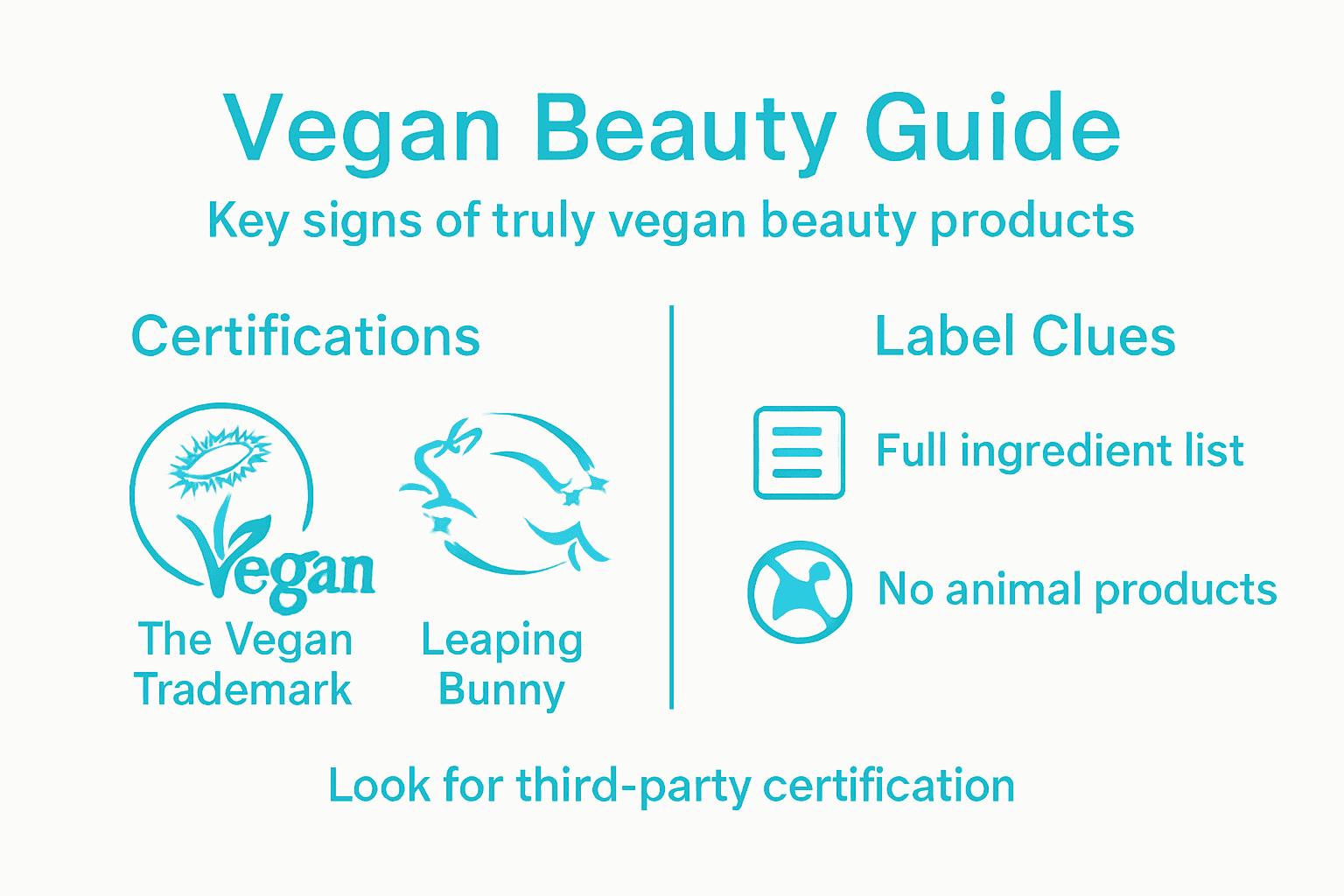
Vegan and cruelty-free certification programmes provide rigorous verification ensuring products contain no animal-derived ingredients and haven’t been tested on animals. These programmes include supply chain audits and ongoing compliance monitoring, giving consumers trustworthy certifications for informed purchasing decisions. In the UK, The Vegan Trademark (a registered certification mark from The Vegan Society) stands as the most recognised standard. Products bearing this logo have undergone thorough assessment by vegan specialists who’ve examined ingredient sourcing, manufacturing processes, and supply chain practices. When you see this distinctive logo, you’re holding a product that meets strict, globally recognised standards. Other certification bodies exist globally, but The Vegan Trademark carries particular weight for UK consumers seeking assurance aligned with their values.
Labelling transparency goes beyond certification marks. Responsible brands voluntarily disclose their entire ingredient list, making it possible for consumers to verify vegan status independently. Some producers go further, explaining why they’ve chosen specific ingredients, where they’re sourced, and how they contribute to the product’s performance. This transparency builds trust. When you purchase handmade soaps or natural skincare products from producers who clearly identify their ingredients and their origins, you’re making an informed choice rather than gambling on marketing claims. The absence of technical jargon matters too. Brands that use accessible language when describing ingredients help consumers understand what’s actually in their products. Compare “plant-derived squalane from sugarcane” against simply listing “squalane” without context. The first approach respects your intelligence and commitment to ethical choices. Greenwashing remains a genuine concern, where brands emphasise their vegan credentials whilst glossing over other environmental concerns or using misleading language. By seeking certifications that enforce stringent standards for ingredient traceability, you protect yourself from these deceptive practices.
As a consumer, you hold genuine power. Demanding transparency and supporting brands that provide it encourages the entire industry toward higher standards. When you choose products with verifiable certifications and clear ingredient disclosure, you’re not simply making a personal purchase decision. You’re voting for the kind of beauty industry you want to exist. UK shoppers increasingly recognise this power, which is why brands offering detailed ingredient information and vegan certifications continue to grow. The shift toward transparency benefits everyone: consumers gain confidence, ethical brands gain competitive advantage, and corners-cutters lose credibility.
Pro tip: Photograph product labels using your phone when shopping, then research certifications and unfamiliar ingredients at home using The Vegan Trademark database and ingredient safety resources, building a personal reference library that helps you spot genuinely vegan products during future shopping trips.
Vegan versus Cruelty-Free: Key Legal Differences
You’ve likely seen products labelled both “vegan” and “cruelty-free” as if they mean the same thing. They absolutely don’t, and understanding the distinction could reshape how you shop. Cruelty-free refers exclusively to testing practices. A cruelty-free product means neither the finished formula nor any of its individual ingredients have been tested on animals at any point in development or production. A company might use cruelty-free as their standard yet still include beeswax, lanolin, or other animal-derived ingredients in their formulations. The product contains no animal suffering in its testing process, but it contains animal ingredients. Vegan, conversely, concerns ingredient composition alone. A vegan product contains absolutely no animal-derived components, but it might have been tested on animals during development. This seems counterintuitive until you consider the regulatory landscape: some countries legally require animal testing for certain cosmetic ingredients, meaning a brand committed to selling in those markets might face testing mandates regardless of their ethical preferences. The terms describe entirely different aspects of a product’s journey from concept to shelf.
This distinction matters legally and ethically. The difference between cruelty-free and vegan definitions reveals that cruelty-free focuses on animal testing prohibitions whilst vegan relates to the absence of animal-derived ingredients. These are separate regulatory concerns governed by different legal frameworks. In the United Kingdom, the cosmetics testing ban (implemented through UK law following European Union regulations) prohibits testing finished cosmetic products and most ingredients on animals. However, this doesn’t guarantee a product is vegan. A manufacturer might comply fully with UK testing bans while sourcing lanolin from sheep wool or carmine from insects. Conversely, a brand might produce entirely vegan formulations yet still conduct animal testing on individual ingredients in jurisdictions where that’s permitted or required. The legal environment varies dramatically internationally, creating genuine complexity for brands operating globally. A product certified cruelty-free in one country might face different standards elsewhere. Understanding these variations protects you from assumptions about what labels actually guarantee.
Third-party certifications help clarify these muddied waters. The Leaping Bunny certification confirms cruelty-free status through rigorous auditing of testing practices and monitoring of suppliers. The Vegan Trademark verifies ingredient composition and ensures no animal testing occurred. A product might display either badge, both, or neither, each telling a different story about its production. Importantly, legal frameworks for vegan and cruelty-free claims differ globally, with regulatory environments varying internationally. This creates challenges in standardising claims across markets. A brand claiming cruelty-free status in the UK might face entirely different verification requirements than the same claim in Australia or Canada. Third-party certifications and detailed supply chain audits become essential for verifying claims and maintaining consumer trust across these complex international regulations. When you see both certifications on a product, you’re holding something genuinely free from animal testing and animal ingredients. When you see only one, you understand what you’re actually getting. Neither badge is worthless. A cruelty-free product still respects animal welfare by eliminating testing harm. A vegan product respects animals by excluding their body parts from the formula. Both represent ethical choices aligned with different values.
For eco-conscious UK consumers, knowing this distinction empowers intentional purchasing. You might prioritise vegan products because your concern centres on ingredient sourcing and animal exploitation in supply chains. You might prioritise cruelty-free products because testing practices concern you more. You might seek products with both certifications because you’re committed to eliminating animal harm entirely. None of these choices is wrong. What matters is making informed decisions aligned with your actual values rather than assumptions based on marketing language. Handmade soap and natural skincare producers frequently offer transparency about both aspects, listing their ingredients clearly whilst explaining their testing and manufacturing practices openly.
The following table summarises the key differences between vegan and cruelty-free standards for beauty products:
| Aspect | Vegan Certification | Cruelty-Free Certification | What It Guarantees |
|---|---|---|---|
| Ingredient Content | No animal-derived substances | Animal or plant ingredients allowed | No animal ingredients (vegan) |
| Animal Testing | Not always required to be absent | Prohibited across development | No animal testing (cruelty-free) |
| Typical Logos | The Vegan Trademark | Leaping Bunny | Recognised assurance badges |
| UK Legal Status | Voluntary, not regulated | Animal testing banned for cosmetics | Different regulatory frameworks |
Pro tip: When shopping, look for products displaying both The Vegan Trademark and the Leaping Bunny symbol if you want maximum assurance that neither animal testing nor animal ingredients were involved, but recognise that a product bearing only one badge still represents genuine ethical commitment in that specific area.
Environmental Impact and Ethical Benefits of Vegan Beauty
When you choose vegan beauty products, you’re making a choice that extends far beyond your bathroom cabinet. The environmental footprint of conventional beauty manufacturing is substantial, particularly when animal agriculture forms part of the supply chain. Producing lanolin from sheep wool, carmine from insects, collagen from animal bones, and squalane from shark liver oil all require resource-intensive processes that consume water, generate waste, and contribute to ecosystem disruption. Sheep farming for lanolin production demands significant land, feed, and water resources. Insect farming for carmine involves breeding and processing millions of insects. Shark harvesting for squalane has depleted wild populations in several regions. These practices, multiplied across thousands of beauty products sold globally, create environmental consequences that few consumers fully grasp when they pick up a conventional moisturiser. Vegan formulations eliminate these supply chain impacts entirely by relying on plant-derived and synthetic alternatives that require substantially fewer resources to produce.
The environmental benefits extend through the entire product lifecycle. Sustainable cosmetic development minimises environmental impacts by focusing on green chemistry, renewable ingredients, water conservation, and biodegradable packaging. Vegan brands leading this transition often adopt additional sustainability practices beyond ingredient selection. Many now utilise upcycled ingredients such as coffee grounds from cafés, fruit residues from juice production, and plant by-products that would otherwise become waste. These regenerative approaches transform what factories and farms would discard into nutrient-rich skincare components. Consider coffee ground exfoliants: rather than mining minerals or synthesising microplastics, brands source spent grounds from local coffee roasters, diverting waste from landfills whilst creating effective products. Fruit seed oils, extracted from seeds that manufacturers once threw away, become luxurious facial oils rich in antioxidants. This circular economy thinking reduces both resource extraction and landfill burden simultaneously. Beyond ingredient sourcing, vegan beauty brands increasingly adopt sustainable packaging. Plant-based formulations pair naturally with compostable or recyclable containers, glass bottles, and refillable systems that minimise plastic waste. The synergy between vegan ingredients and environmental responsibility feels almost inevitable once you consider it.
The ethical dimensions run equally deep. Vegan beauty brands employ regenerative practices that restore ecosystems and support biodiversity rather than simply reducing harm. This represents a shift from passive “do no damage” thinking toward active restoration. Brands sourcing ingredients from regenerative farms directly fund agricultural practices that rebuild soil health, increase carbon sequestration, and support diverse wildlife habitats. When you purchase products containing ingredients from regenerative sources, your money actively supports land stewardship. Fair-trade certifications often accompany vegan ingredients, ensuring producers in developing nations receive equitable compensation. A farmer growing shea butter in West Africa, where shea trees have been harvested for generations, benefits directly from fair-trade premiums that improve living standards and fund community projects. These ethical supply chains create genuine human impact beyond the environmental benefits. Additionally, vegan beauty eliminates the animal welfare concerns inherent in conventional cosmetics. No animals suffer in testing or ingredient harvesting. No creatures are bred solely to extract their body parts. This ethical clarity resonates powerfully with UK consumers increasingly conscious about their purchasing power and its consequences.
The transparency that often accompanies vegan beauty brands further strengthens these benefits. Producers committed to plant-based formulations typically embrace full ingredient disclosure and sustainable sourcing simply because these values cluster together naturally. A brand excluding animal ingredients frequently also excludes synthetic microplastics, harsh chemicals, and unethical labour practices. When you select organic personal care products from conscientious producers, you’re typically gaining multiple ethical and environmental benefits simultaneously rather than making isolated trade-offs. This interconnection makes vegan beauty a genuinely compelling choice for eco-conscious consumers rather than a marketing gimmick. The growing demand for vegan formulations drives competition that pushes the entire industry toward higher standards. Brands must innovate continuously to meet consumer expectations, leading to better formulations, more sustainable practices, and greater transparency across the sector.
Pro tip: When choosing vegan beauty products, look beyond the vegan label for additional certifications like fair-trade, organic, or regenerative agriculture stamps, which indicate that your purchase supports broader environmental restoration and ethical practices rather than simply avoiding animal ingredients.
Challenges, Limitations, and What to Avoid
Vegan beauty sounds straightforward until you start examining the reality. The industry faces genuine technical and ethical complexities that don’t disappear simply because a product bears a vegan label. Formulating effective vegan beauty products requires replacing animal-derived actives like collagen and keratin with plant or microbial alternatives that must perform equally well. This sounds simple in principle but becomes remarkably challenging in practice. Plant-derived proteins extracted from wheat, soy, or mushrooms don’t always behave identically to their animal counterparts. They may penetrate skin differently, absorb at different rates, or require different concentrations to achieve equivalent results. Vegan formulation challenges include matching performance of animal-derived actives with plant alternatives whilst maintaining stability. This often demands advanced preservation techniques and encapsulation technology that increase production costs and complexity. A vegan moisturiser might require sophisticated encapsulation to ensure plant-derived actives remain stable throughout the product’s shelf life. This technical barrier explains why some vegan alternatives cost more than conventional products. It’s not greenwashing or profiteering. It’s genuine chemistry requiring genuine investment. Additionally, consumer scepticism about efficacy persists. Many people remain unconvinced that plant-based formulations deliver results matching conventional products. This scepticism, whilst sometimes unfounded, means brands must invest heavily in clinical research and transparent testing to prove their products actually work. Smaller producers often struggle with these demands.
Ethical sourcing introduces equally complex challenges. Palm oil appears frequently in vegan beauty products as a plant-based alternative to animal fats, yet palm oil production has driven deforestation across Southeast Asia, destroying rainforests and endangering orangutans. A product might be technically vegan whilst containing an ingredient sourced through practices that devastate ecosystems and displace indigenous communities. This creates a genuine ethical paradox. Brands must now navigate sourcing plant ingredients responsibly, which sometimes proves more challenging than avoiding animal ingredients entirely. Certified sustainable palm oil exists but remains contentious. Some environmental advocates argue no palm oil production can be truly sustainable at current scales. Others insist certification programmes offer meaningful protection. The truth likely sits somewhere between these positions, but the complexity remains. Vegan beauty brands face multiple challenges including deforestation from unsustainable ingredient sourcing and inconsistent regulatory frameworks. Navigating certification requirements across different jurisdictions demands significant resources. A brand seeking The Vegan Trademark certification must undergo thorough auditing. Leaping Bunny certification requires different documentation. International expansion means complying with varying regulations in different markets. Smaller producers often lack the administrative capacity and financial resources to manage these requirements, meaning ethical certification sometimes remains inaccessible to genuinely ethical brands.
Greenwashing represents perhaps the most insidious challenge. Brands make vague environmental claims without substance. A product labelled “natural” or “eco-friendly” might contain unsustainably sourced ingredients and synthetic chemicals. A brand claiming vegan status whilst using non-biodegradable packaging contradicts its stated values. Marketing language obscures rather than clarifies. Terms like “plant-derived,” “naturally-inspired,” and “eco-conscious” sound commendable but carry no legal definitions or enforcement mechanisms. A brand can legitimately use these terms whilst engaging in practices entirely contrary to their implied meaning. Consumer confusion deepens when genuinely ethical brands share shelf space with deceptive ones. What should you actively avoid? First, brands making sweeping claims without supporting certifications or transparent supply chain documentation. Second, products claiming vegan status without addressing ingredient sourcing or environmental impact. Third, companies using vague language instead of specific information. If a brand won’t clearly explain where ingredients come from, how they’re sourced, or what certifications they hold, that opacity itself suggests caution. Look instead for brands providing detailed ingredient sourcing information, third-party certifications, and honest acknowledgment of their limitations and ongoing improvements.
Another trap worth avoiding is perfectionism paralysis. You needn’t wait for the absolutely perfect, entirely consequence-free product before switching from conventional beauty. No product exists without ethical or environmental trade-offs. A vegan product containing palm oil still eliminates animal harm and testing. An organic skincare range using unsustainable packaging still avoids synthetic chemicals. Incremental progress toward better choices matters more than refusing to choose until perfection appears. Brands operating with genuine commitment to improvement, transparency, and ethical sourcing deserve support even when they haven’t achieved absolute perfection. Additionally, avoid assuming higher prices guarantee better ethics. Some expensive vegan brands engage in significant greenwashing whilst charging premium prices. Some affordable producers from independent makers demonstrate genuine commitment to transparency and sustainability. Price alone never indicates ethical credentials. Similarly, don’t confuse vegan with healthy. A vegan product can still contain irritating ingredients or deliver poor results for your skin. Vegan simply means animal-free, not automatically beneficial. Read reviews, check ingredients, and test products just as carefully as you would conventional cosmetics.
Pro tip: When evaluating vegan beauty products, request detailed supply chain information from brands directly and check whether they hold third-party certifications like The Vegan Trademark rather than relying on marketing claims, then prioritise transparency and honest communication over perfection.
Discover Ethical Beauty Choices that Truly Align with Your Values
Choosing vegan beauty products means prioritising transparency, sustainability, and genuine care for both your skin and the planet. If you have been seeking trustworthy skincare that excludes animal-derived ingredients and embraces plant-powered goodness, explore our curated selection of Organic Personal Care Products and Facial Care - Plant Powered Goodness at The Soap Lab.
Take control of your beauty routine today with products that are ethically crafted, cruelty-free, and transparently sourced. Visit https://thesoaplab.co.uk now to find clean, natural formulations that respect your values and deliver effective, nurturing care. Make the switch to conscious beauty choices and feel the difference while supporting a healthier planet.
Frequently Asked Questions
What are vegan beauty products?
Vegan beauty products are cosmetics that do not contain any animal-derived ingredients such as beeswax, lanolin, or collagen, making them suitable for those avoiding animal products.
Are vegan products the same as cruelty-free products?
No, vegan products focus on ingredient composition and do not contain animal-derived substances, while cruelty-free products refer to testing practices, ensuring no animal testing occurred during development.
Do vegan beauty products work as effectively as traditional products?
Yes, many modern vegan formulations using botanical extracts and plant oils have become very sophisticated, often providing comparable or superior results, especially for sensitive skin.
How can I identify if a beauty product is truly vegan?
Look for reputable third-party certifications, such as The Vegan Trademark, which verifies that products meet strict standards for being free from animal ingredients and animal testing.
Recommended
- Natural Makeup | Vegan Makeup Gift Set – The Soap Lab – The Soap Lab Scotland
- Organic Natural Makeup by LOLA – The Soap Lab Scotland
- Waterproof mascara - Vegan friendly – The Soap Lab Scotland
- Lipstick | Natural Lipstick by Lola Makeup – The Soap Lab – The Soap Lab Scotland
- What Is Cruelty-Free Beauty? Complete Guide – Pure Light Botanical Beauty



