

Why Use Handmade Soaps: Health and Eco Benefits
Finding truly natural skincare can feel confusing when so many choices claim to be eco-friendly. For UK residents focused on ethical self-care, understanding the difference between handmade and commercial soaps makes all the difference. Handmade soaps rely on a genuine saponification process, creating a pure, glycerin-rich product that nourishes your skin far more gently than mass-produced options. This guide uncovers the realities behind handmade soaps, their unique benefits, and how your choices support sustainable British brands.
Table of Contents
- Defining Handmade Soaps And Common Myths
- Key Types Of Handmade Soaps Available
- Unique Characteristics And Ingredient Quality
- Eco-Friendly Production And Packaging Practices
- Benefits For Skin, Health, And Wellbeing
- Comparing Handmade Versus Commercial Soaps
Key Takeaways
| Point | Details |
|---|---|
| Handmade Soaps Retain Glycerin | Unlike commercial soaps, handmade soaps keep their natural glycerin, providing superior moisturising benefits for the skin. |
| Diverse Production Methods | Cold process, hot process, and melt & pour methods each offer unique characteristics, allowing consumers to choose based on their specific skincare needs. |
| Natural Ingredients Are Key | Handmade soaps utilise natural butters and botanical extracts, offering holistic skin nourishment and avoiding harsh chemicals often found in mass-produced options. |
| Eco-Friendly Practices | Many handmade soap makers emphasise sustainable production and packaging, supporting environmental stewardship while providing high-quality skincare products. |
Defining Handmade Soaps and Common Myths
Handmade soaps represent a traditional craft of creating cleansing products through an intricate process known as saponification. Soap creation involves precise chemical transformations where natural oils or fats interact with an alkaline substance like lye, resulting in a pure, glycerin-rich product fundamentally different from commercial synthetic detergents.
Unlike mass-produced alternatives, handmade soaps maintain their natural glycerin content, which provides significant moisturising benefits. These artisan products are crafted through careful combinations of distilled water, carefully selected oils, and a controlled chemical reaction that transforms raw ingredients into a gentle, nourishing cleansing bar. Each batch represents a unique blend of ingredients, creating soaps that are substantially more personalised and skin-friendly than standardised commercial options.
Despite popular misconceptions, handmade soaps are not inherently dangerous or ineffective. Many myths persist about their safety and performance. Contrary to widespread belief, no residual lye remains in properly manufactured handmade soaps, as the saponification process completely neutralises this alkaline substance. Furthermore, these soaps can be equally, if not more, effective at cleansing compared to antibacterial commercial products, offering a natural alternative that supports skin health without harsh synthetic additives.
Pro tip: When selecting a handmade soap, examine the ingredient list and look for soaps made with natural, organic oils to ensure maximum skin benefits and minimal chemical exposure.
Key Types of Handmade Soaps Available
Handmade soap crafting encompasses several distinctive production methods, each offering unique characteristics and benefits. Soap makers employ three primary techniques to create their artisan products: cold process, hot process, and melt & pour, each delivering different textures, curing times, and aesthetic qualities.
The cold process method represents the most traditional approach, involving no additional heat and requiring a lengthy curing period of several weeks. This technique allows soap makers to preserve the full botanical benefits of natural ingredients, creating creamy, luxurious bars with intricate designs and rich moisturising properties. Soap artisans carefully blend oils, lye, and botanical additives, allowing the mixture to naturally transform through saponification, resulting in a supremely gentle product that retains glycerin and natural skin-nourishing compounds.
Alternative techniques like hot process and melt & pour offer different advantages for soap crafters. Hot process involves heating the soap mixture to accelerate saponification, producing rustic-looking bars that can be used more quickly. Melt & pour techniques provide the greatest flexibility, using pre-made soap bases that eliminate the need to handle caustic lye directly, making it an excellent option for beginners or those seeking simplified soap creation. These methods enable crafters to experiment with colours, fragrances, and embedded design elements with minimal technical complexity.
Here is an overview of the main handmade soap production methods and their unique characteristics:
| Technique | Key Feature | Suitable For |
|---|---|---|
| Cold Process | Preserves botanical benefits | Experienced crafters |
| Hot Process | Faster curing, rustic style | Quick use needs |
| Melt & Pour | No lye handling required | Beginners, creatives |
Pro tip: When exploring handmade soap types, consider your skin’s specific needs and the unique properties of each soap-making method to select the most suitable option for your personal skincare routine.
Unique Characteristics and Ingredient Quality
Handmade soaps distinguish themselves through exceptional ingredient selection and meticulous crafting processes. Innovative emollient formulations leverage natural butters like cocoa, shea, and mango to create superior skincare products that transcend conventional cleansing methods. These carefully curated ingredients offer profound benefits beyond simple cleaning, transforming the soap into a holistic skin nourishment experience.
The botanical ingredients in handmade soaps represent a significant departure from mass-produced alternatives. Natural butters provide extraordinary moisturising properties, creating a protective barrier that prevents skin dehydration while delivering essential nutrients. Unlike commercial products laden with synthetic chemicals, these artisan soaps incorporate antioxidants, vitamins, and plant-based compounds that actively support skin health. The careful selection of ingredients ensures that each soap bar becomes a targeted treatment addressing specific skin concerns, from hydration to healing.
Quality in handmade soaps extends far beyond ingredient selection, encompassing the entire production philosophy. These soaps are characteristically free from harsh chemicals, parabens, and artificial preservatives, offering a pure cleansing experience that respects both human skin and environmental sustainability. The commitment to transparency means consumers can trace the origins of each ingredient, understanding exactly what touches their skin. This approach represents a profound shift from industrial manufacturing, prioritising skin wellness through mindful, intentional ingredient curation.
Pro tip: Always examine the ingredient list of handmade soaps, looking for natural butters and minimal, recognisable components to ensure you’re selecting a truly high-quality product.
Eco-Friendly Production and Packaging Practices
Handmade soap artisans are revolutionising sustainable production through innovative environmental practices that extend far beyond traditional manufacturing. Eco-friendly packaging solutions are transforming the industry, with conscientious producers selecting biodegradable materials that minimise ecological impact while protecting their carefully crafted products.

The sustainability journey begins with mindful ingredient sourcing and extends through every stage of production. Small-batch soap makers prioritise local material procurement, dramatically reducing transportation emissions and supporting regional economies. This approach means choosing organic, responsibly harvested ingredients and packaging materials that can be recycled, composted, or naturally decompose. Kraft paper, recycled cardboard, and plant-based wrappings replace traditional plastic packaging, demonstrating a comprehensive commitment to environmental stewardship that resonates with eco-conscious consumers.
Moreover, sustainable soap production represents a holistic approach to environmental responsibility. Many artisan soap makers implement comprehensive waste reduction strategies, including recycling production remnants, utilising energy-efficient manufacturing processes, and minimising water consumption. These practices transform soap production from a simple manufacturing process into a deliberate act of environmental conservation. By choosing handmade soaps with transparent, eco-friendly production methods, consumers directly support a more sustainable approach to personal care and environmental protection.
Pro tip: When selecting handmade soaps, examine both the packaging and the manufacturer’s environmental practices to ensure you’re supporting truly sustainable production.
Benefits for Skin, Health, and Wellbeing
Handmade soaps represent a holistic approach to personal care, offering far more than simple cleansing. Natural ingredients provide profound skin benefits that extend beyond conventional skincare products, delivering therapeutic and sensory experiences tailored to individual skin needs. These artisan-crafted products transform daily hygiene routines into moments of genuine self-nurturing.
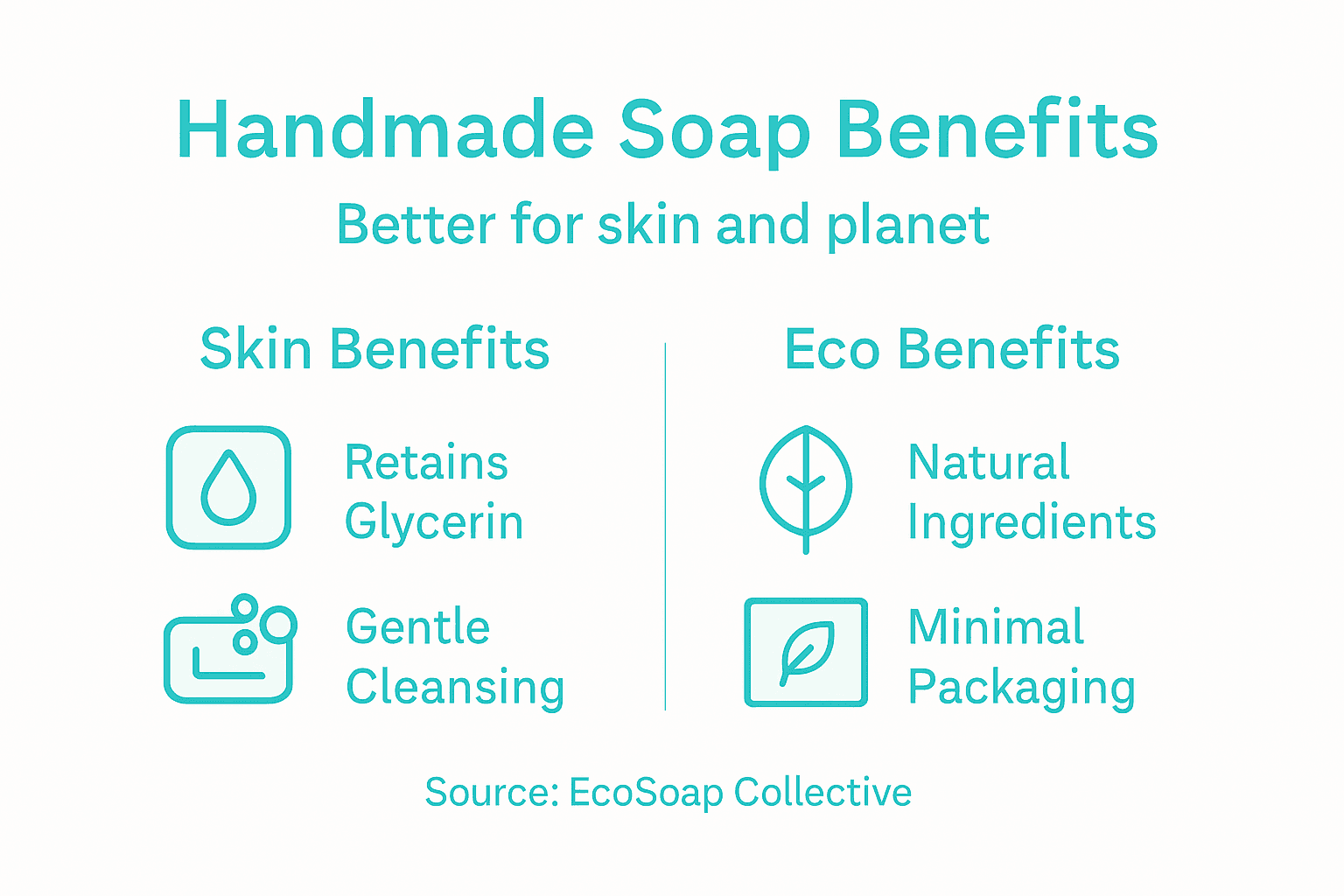
The botanical composition of handmade soaps distinguishes them as powerful skin wellness tools. Essential oils, plant extracts, and natural butters work synergistically to hydrate, protect, and restore skin’s delicate balance. Unlike mass-produced alternatives laden with synthetic chemicals, these soaps maintain the skin’s natural oil equilibrium, reducing irritation and preventing moisture loss. Each carefully formulated bar becomes a targeted treatment addressing specific skin concerns, whether managing sensitivity, combating dryness, or supporting overall skin resilience.
Beyond physical benefits, handmade soaps contribute to mental and emotional wellbeing. The sensory experience of using naturally crafted products creates a mindful moment in daily routines, connecting individuals with traditional craftsmanship and intentional self-care. The aromatic profiles of essential oils can provide subtle aromatherapeutic effects, potentially reducing stress and promoting emotional balance. By choosing handmade soaps, consumers invest not just in skin health, but in a holistic approach to personal wellness that respects both body and mind.
Pro tip: Rotate different handmade soaps with unique botanical compositions to provide your skin with varied nutrients and prevent ingredient adaptation.
Comparing Handmade Versus Commercial Soaps
The landscape of soap production reveals stark differences between handmade artisan creations and mass-produced commercial alternatives. Handcrafted versus commercial soap comparisons demonstrate profound variations in ingredient quality, manufacturing processes, and overall skin health impact. Commercial soaps often prioritise cost-efficiency and standardisation, while handmade soaps represent a commitment to craftsmanship and individual skin wellness.
Ingredient composition represents the most significant distinguishing factor between these two soap categories. Commercial soaps typically contain synthetic detergents, preservatives, and harsh chemicals designed to create abundant lather and extend shelf life. These additives strip the skin’s natural oils, potentially causing dryness, irritation, and long-term dermatological issues. In contrast, handmade soaps incorporate natural oils, botanical extracts, and carefully selected ingredients that nourish and protect the skin’s delicate microbiome, maintaining its inherent moisture balance and supporting overall skin health.
The manufacturing philosophy further underscores the fundamental difference between these soap types. Mass-produced soaps emerge from industrial processes prioritising volume and uniformity, often removing glycerin (a natural moisturising byproduct) to sell separately as a premium ingredient. Handmade soaps, crafted in small batches by skilled artisans, retain their natural glycerin content, providing superior moisturising properties. This approach not only supports individual skin needs but also champions sustainable, ethical production practices that respect both human health and environmental considerations.
The following table highlights major differences between handmade and commercial soaps:
| Aspect | Handmade Soaps | Commercial Soaps |
|---|---|---|
| Primary Ingredients | Natural oils, botanicals, butters | Synthetic detergents, preservatives |
| Glycerin Content | Retained for moisturising | Often removed |
| Skin Impact | Nourishes, reduces irritation | May cause dryness |
| Eco Considerations | Sustainable, minimal chemicals | Mass-produced, less eco-friendly |
Pro tip: Read ingredient labels carefully, looking for natural oils and avoiding long lists of unpronounceable synthetic chemicals when selecting your soap.
Discover the True Benefits of Handmade Soaps with Ethical Choices
If you are looking to embrace skincare that truly nourishes your skin while respecting the planet, handmade soaps offer the perfect solution. Our article highlights the importance of natural oils, glycerin retention, and eco-friendly production that combat dryness and irritation found in commercial soaps. At The Soap Lab Scotland, we understand your desire for pure ingredients and mindful craftsmanship to support both your wellbeing and sustainability goals.
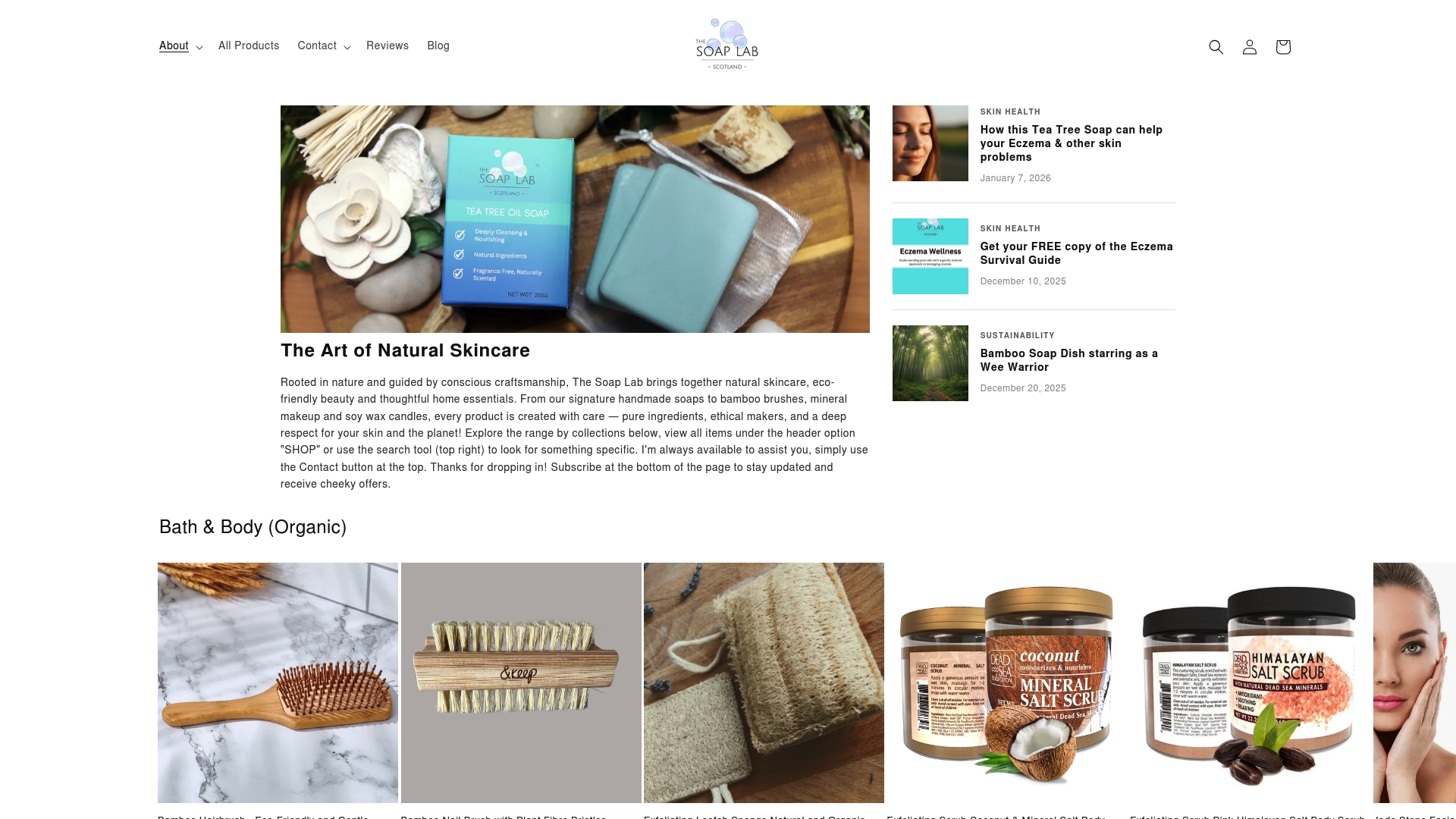
Explore our carefully curated collection of Organic Personal Care Products and Facial Care - Plant Powered Goodness to experience the gentle, nourishing touch of artisan soaps and skincare essentials. Take the next step towards a healthier, eco-conscious lifestyle today by visiting The Soap Lab Scotland and discover products designed with your skin and the environment in mind.
Frequently Asked Questions
What are the benefits of using handmade soaps?
Handmade soaps offer various benefits, including natural moisturising properties due to retained glycerin, fewer harsh chemicals, and the incorporation of nourishing botanical ingredients that can improve skin health without causing irritation.
How do handmade soaps compare to commercial soaps?
Handmade soaps are crafted from natural oils and botanicals, often retaining glycerin to enhance skin hydration. In contrast, commercial soaps may contain synthetic detergents and preservatives that can strip skin of its natural oils, potentially leading to dryness and irritation.
Are there any safety concerns with handmade soaps?
When made correctly, handmade soaps are safe to use. The saponification process neutralises lye, ensuring no harmful residues remain. Additionally, they often lack harsh additives found in commercial alternatives, making them a gentle choice for skin care.
How do I choose the right handmade soap for my skin type?
Consider your skin’s specific needs, such as dryness or sensitivity, and look for handmade soaps with ingredients like natural butters, essential oils, and fewer synthetic components. Reading the ingredient list can help you select a product that suits your skin type effectively.
Recommended
- Soap Dish Benefits | Why Choose a Bamboo Soap Dish – The Soap Lab Scotland
- Eczema Treatment Tips | Organic Tea Tree Soap Benefits – The Soap Lab Scotland
- Soap Dish | Organic Bamboo Soap Dish – The Soap Lab – The Soap Lab Scotland
- Shampoo Bars | Pink Clay & Sage – The Soap Lab – The Soap Lab Scotland
- Herbal Skin Care Products ৹ 11 Reasons Why It’s a Better Choice – Claribelskincare.com
- Benefits of Gentle Skincare: Glowing Confidence, Naturally – EMILY SANDERS LIFESTYLE



