

Master Eco-Conscious Skincare Tips for Sustainable Beauty
Finding skincare routines that soothe sensitive skin while championing the planet can feel like a constant balancing act. Many eco-conscious people in the UK face the challenge of navigating chemical-heavy products versus natural alternatives that genuinely deliver. By focusing on a detailed skin assessment and choosing certified sustainable options, you gain the knowledge to make decisions that care for yourself and the environment. Your journey starts with understanding your skin, setting eco goals, and exploring the practical steps that truly work for you and the Earth.
Table of Contents
- Step 1: Assess Skin Needs And Eco-Friendly Goals
- Step 2: Select Natural Skincare Products Responsibly
- Step 3: Switch To Sustainable Tools And Accessories
- Step 4: Apply Products Using Eco-Smart Techniques
- Step 5: Review Results And Refine Your Routine
Quick Summary
| Key Takeaway | Explanation |
|---|---|
| 1. Assess skin and eco goals | Understanding your skin type and environmental aims is crucial for creating a personalised skincare strategy. |
| 2. Choose certified natural products | Select products with organic ingredients and ethical sourcing to enhance both skin health and sustainability. |
| 3. Utilise sustainable beauty tools | Opt for eco-friendly tools like bamboo brushes and reusable cotton rounds to minimise waste in your beauty routine. |
| 4. Apply products efficiently | Use mindful application techniques to reduce product waste and excessively high consumption during your skincare regime. |
| 5. Regularly review and refine | Continuously evaluate your skincare results to optimize for effectiveness and eco-friendliness over time. |
Step 1: Assess skin needs and eco-friendly goals
Understanding your unique skin requirements is the critical first step towards developing a truly sustainable skincare approach. By carefully evaluating your skin’s specific characteristics and environmental impact, you can create a personalised strategy that supports both personal wellness and planetary health.
Begin by conducting a comprehensive skin assessment that goes beyond traditional beauty metrics. Your analysis should consider multiple dimensions, including skin type, sensitivity levels, and environmental exposure. The environmental impact of personal care plays a significant role in determining appropriate skincare choices.
Key evaluation criteria include:
- Skin type (dry, oily, combination, sensitive)
- Existing skin conditions or sensitivities
- Climate and geographical environmental factors
- Personal sustainability goals
- Chemical sensitivity and potential allergies
Careful examination of these factors allows you to select eco-friendly products that genuinely match your skin’s unique needs. By understanding the intricate relationship between personal skincare and environmental responsibility, you can make informed choices that benefit both your complexion and the planet.
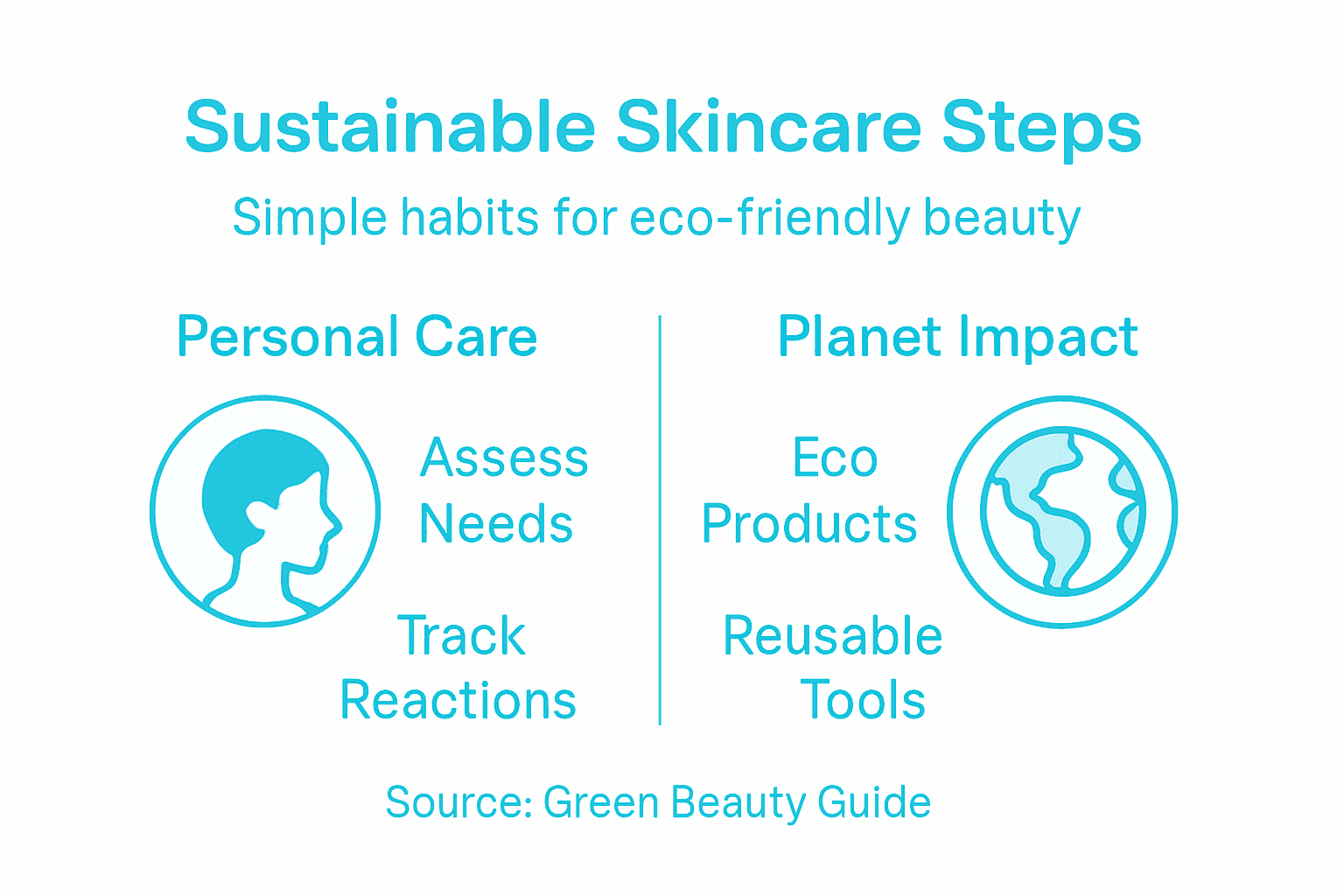
Top tip: Create a detailed skin journal tracking product reactions, environmental conditions, and sustainability impacts to refine your eco-conscious skincare approach.
Step 2: Select natural skincare products responsibly
Navigating the world of natural skincare requires a strategic approach that balances personal wellness with environmental consciousness. Your goal is to choose products that not only nourish your skin but also minimise ecological impact through thoughtful, informed selection.
When selecting skincare products, prioritise those with certified natural ingredients that align with sustainable principles. Natural cosmetics certification provides critical guidance in identifying authentic, environmentally responsible formulations. Look for key indicators of genuine sustainability:
- Organic plant-based ingredients
- Cruelty-free manufacturing processes
- Minimal and recyclable packaging
- Transparent ingredient sourcing
- Third-party environmental certifications
Responsible product selection goes beyond marketing claims - it requires deep understanding of ingredient origins and manufacturing ethics.
Careful scrutiny of product labels and brand sustainability practices will help you make purchases that support both personal health and planetary wellbeing. By choosing skincare with intentional, transparent environmental commitments, you contribute to a more sustainable beauty ecosystem.
Top tip: Always research brand sustainability reports and ingredient sourcing before purchasing to ensure your skincare choices genuinely reflect ecological responsibility.
Step 3: Switch to sustainable tools and accessories
Transitioning to eco-friendly beauty tools represents a powerful strategy for reducing your environmental footprint. By consciously selecting sustainable accessories, you can dramatically minimise waste and support responsible manufacturing practices in the beauty industry.
Sustainable cosmetic tool selection involves choosing accessories that prioritise environmental responsibility. Your toolkit should include:
- Bamboo makeup brushes
- Reusable cotton rounds
- Biodegradable applicators
- Recycled material cosmetic bags
- Silicone cleaning tools
Sustainable beauty tools are not just accessories - they’re a commitment to planetary wellness.
Make strategic choices by examining the materials, manufacturing process, and end-of-life disposal potential of each tool. Look for items crafted from renewable resources, manufactured through ethical processes, and designed for long-term use or complete biodegradability.

Top tip: Invest in high-quality, multipurpose sustainable tools that can replace single-use items in your beauty routine, reducing both waste and long-term environmental impact.
The table below compares popular sustainable beauty tools and their eco advantages:
| Tool Type | Sustainable Material | Environmental Advantage |
|---|---|---|
| Makeup brushes | Bamboo | Renewable, biodegradable stem |
| Cotton rounds | Reusable organic cotton | Multiple use, less landfill |
| Cosmetic bags | Recycled polyester | Resource repurposing |
| Applicators | Biodegradable paper | Compostable after use |
Step 4: Apply products using eco-smart techniques
Maximising skincare efficiency while minimising environmental waste requires thoughtful, intentional product application. Your goal is to develop a precise, resource-conscious approach that reduces unnecessary consumption and supports sustainable beauty practices.
Evidence-based application techniques demonstrate how strategic product use can significantly reduce environmental impact. Focus on these critical eco-smart application strategies:
- Use fingertips instead of cotton pads
- Apply products in thin, targeted layers
- Measure exact product quantities needed
- Layer products efficiently to reduce overall usage
- Warm products between hands before application
Mindful application is not just about skincare - it’s about planetary care.
Precision matters in every step of your beauty routine. By adopting a minimalist mindset, you can dramatically reduce product waste, conserve resources, and maintain optimal skin health without compromising performance.
Top tip: Invest in a small, reusable spatula or measuring tool to ensure you consistently apply the exact amount of product your skin requires.
Step 5: Review results and refine your routine
Continuous evaluation of your eco-conscious skincare approach ensures that your routine remains effective, personalised, and aligned with both your skin’s needs and environmental goals. Tracking your progress allows for intelligent, responsive adjustments that optimise your sustainable beauty strategy.
Skincare routine assessment involves systematic monitoring of multiple performance indicators. Your review process should encompass:
- Skin texture and appearance changes
- Product effectiveness
- Environmental impact reduction
- Personal comfort and satisfaction
- Sustainability metrics
Refinement is not about perfection - it’s about continuous, mindful improvement.
Document your observations carefully, noting both quantitative and qualitative changes. Pay attention to how your skin responds to different products, application techniques, and seasonal variations. By maintaining a detailed skincare journal, you create a personalised roadmap for ongoing sustainability and skin health.
Top tip: Take monthly photographs of your skin under consistent lighting to objectively track changes and support your refinement process.
Here’s a summary of how sustainable skincare routines benefit both skin and the environment:
| Aspect | Skin Wellness Impact | Environmental Benefit |
|---|---|---|
| Personalised routines | Improved comfort and health | Reduced chemical pollution |
| Natural products | Lower risk of irritation | Conservation of resources |
| Eco-friendly tools | Enhanced effectiveness | Less non-biodegradable waste |
| Eco-smart techniques | Optimal product performance | Responsible resource use |
| Routine refinement | Better skin resilience | Ongoing reduction of footprint |
Elevate Your Sustainable Beauty Routine with Natural Solutions
Mastering eco-conscious skincare means addressing your unique skin needs while honouring the planet. This article highlights the importance of selecting authentic, natural products and adopting mindful application techniques to reduce waste and protect our environment. If your goal is to nourish your skin with genuinely sustainable options that align with your values, carefully crafted solutions can make all the difference.
Discover the power of plant-based care through our Facial Care - Plant Powered Goodness collection featuring organic ingredients designed to support healthy, radiant skin. Complement your routine with our ethically sourced Organic Personal Care Products, ideal for a holistic commitment to sustainability.
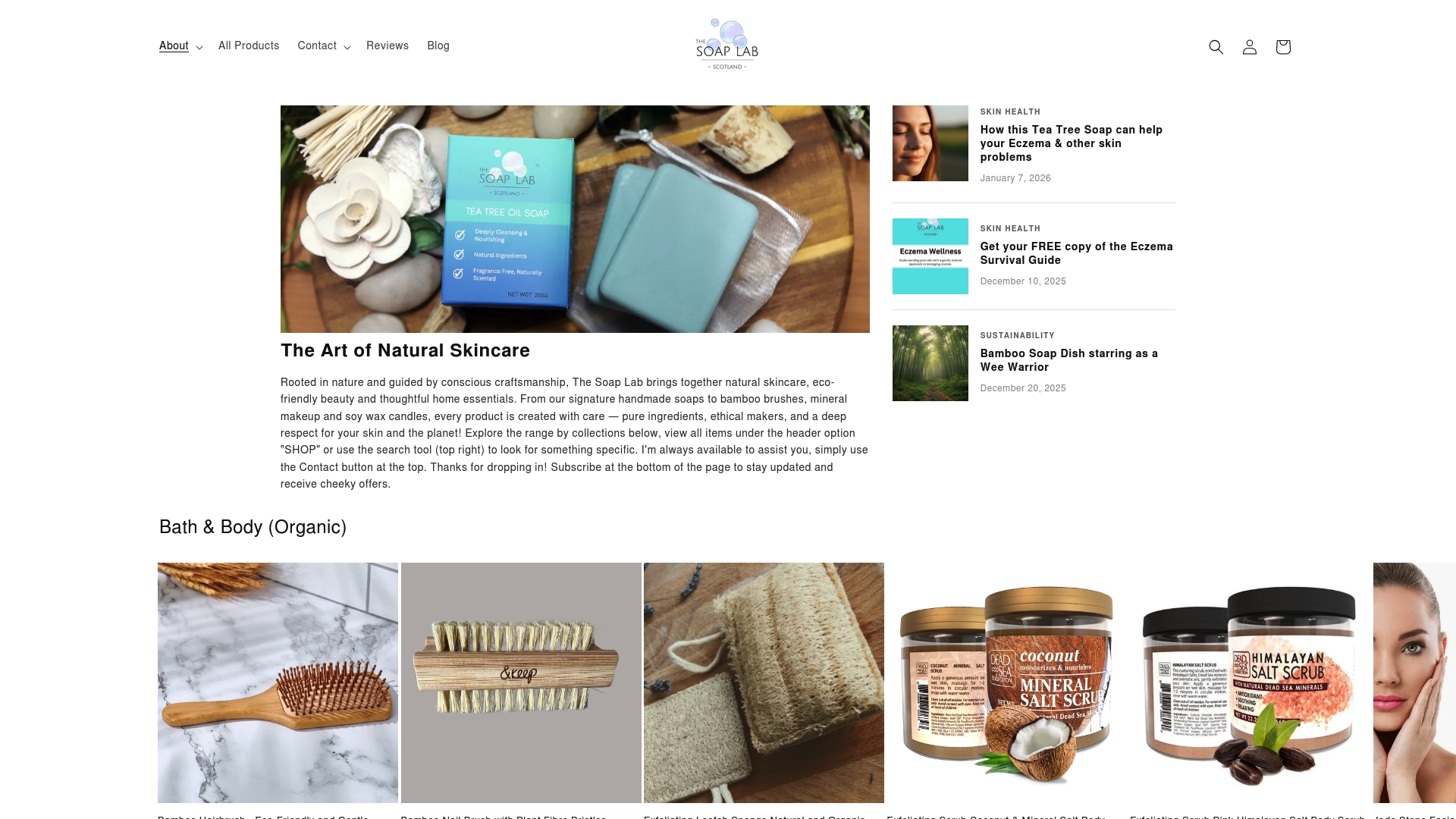
Start transforming your beauty regimen today with eco-friendly choices that truly respect your skin and the environment. Visit The Soap Lab now and take the first step towards a greener, more conscious skincare journey.
Frequently Asked Questions
How can I assess my skin’s needs for eco-conscious skincare?
To assess your skin’s needs, consider factors like your skin type, existing conditions, environmental exposure, and any personal sustainability goals. Start by keeping a skincare journal to track your skin’s reactions and changes over a month, helping you understand what products work best for you.
What should I look for when selecting natural skincare products?
When selecting natural skincare products, prioritise those with certified organic ingredients, cruelty-free processes, and minimal, recyclable packaging. Research brands’ sustainability reports to ensure their values align with your eco-conscious goals.
What are some sustainable tools I can use in my skincare routine?
Consider using bamboo makeup brushes, reusable cotton rounds, biodegradable applicators, and recycled cosmetic bags for a more sustainable skincare routine. Invest in high-quality, multipurpose tools to reduce waste and limit reliance on single-use items.
How can I apply my skincare products more sustainably?
Apply your skincare products using your fingertips rather than cotton pads and measure the exact amount needed for each application. Focus on applying products in thin, targeted layers to minimise waste and conserve resources during your routine.
How can I review and refine my eco-conscious skincare routine?
Regularly evaluate your skincare routine by documenting changes in your skin’s texture, product effectiveness, and overall environmental impact. Set a monthly schedule to review your skincare journal and adjust your routine based on your skin’s responses and sustainability goals.
Recommended
- Eco Friendly Skincare Checklist | 7 Essential Steps – The Soap Lab Scotland
- How to Choose Eco-Friendly Skincare Naturally and Wisely – The Soap Lab Scotland
- 7 Examples of Eco-Friendly Skincare for Conscious Consumers – The Soap Lab Scotland
- 7 Essentials for an Eco-Friendly Skincare Ingredients Checklist – The Soap Lab Scotland



